Arnold Schalks - internet archief

|
< VORIGE PROJECT
|
VOLGENDE PROJECT >
|
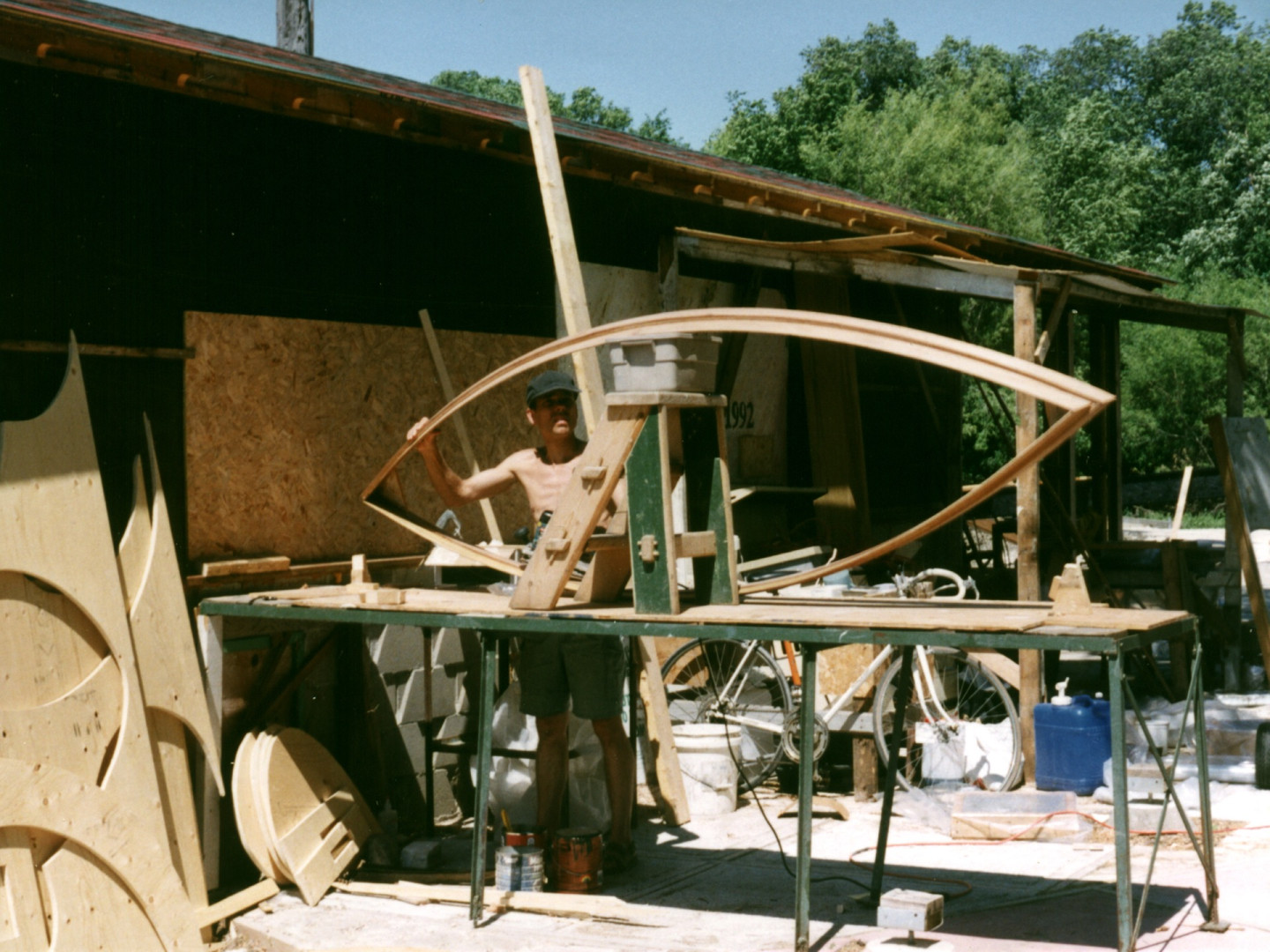
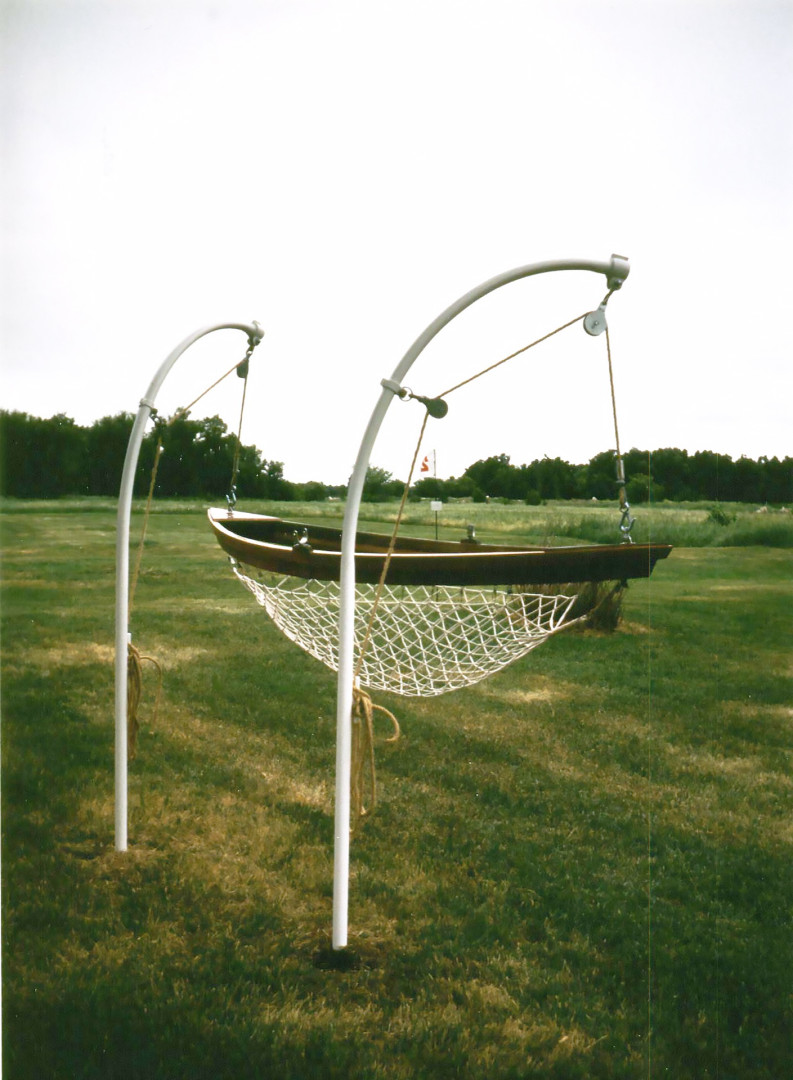
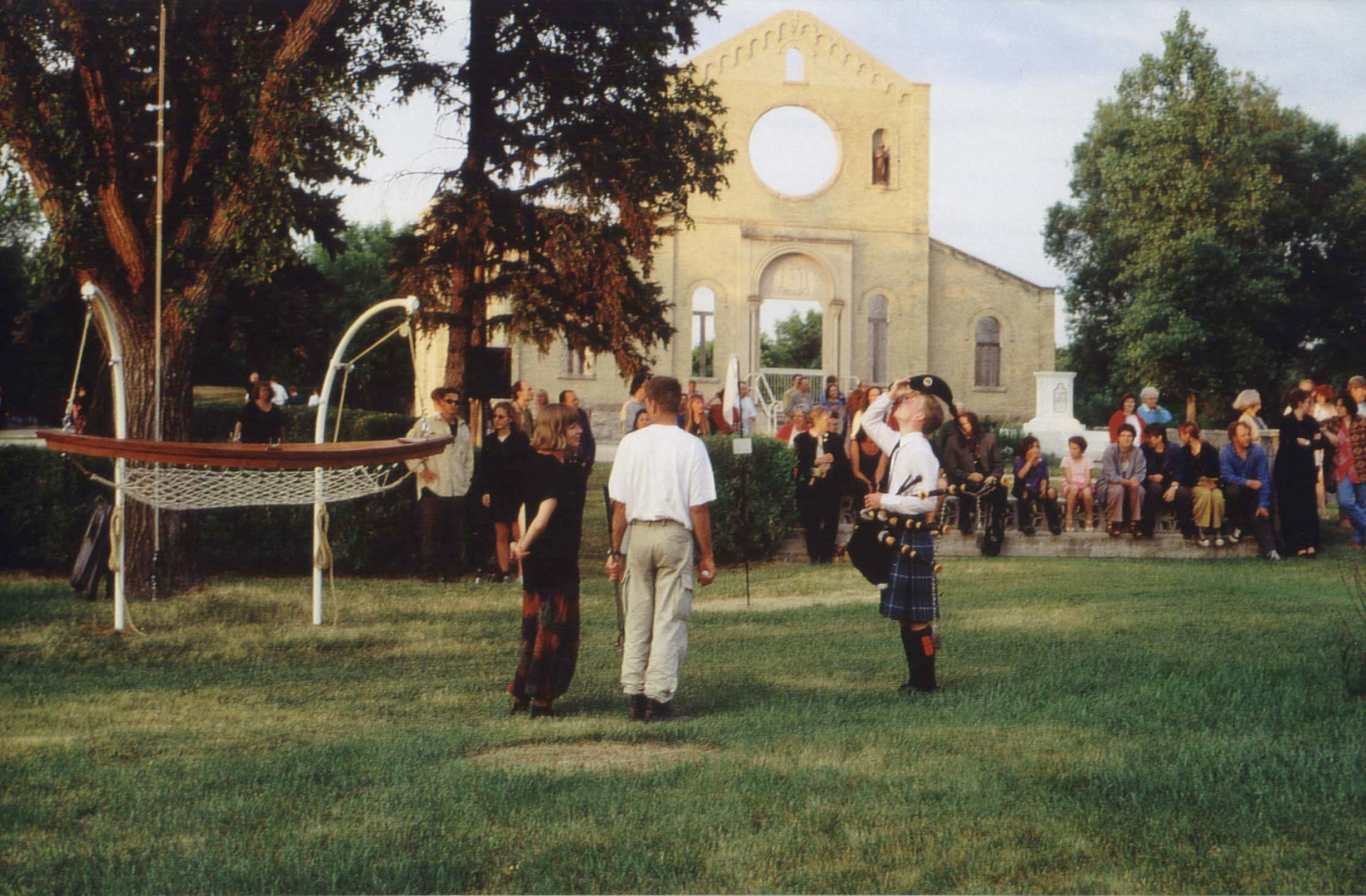
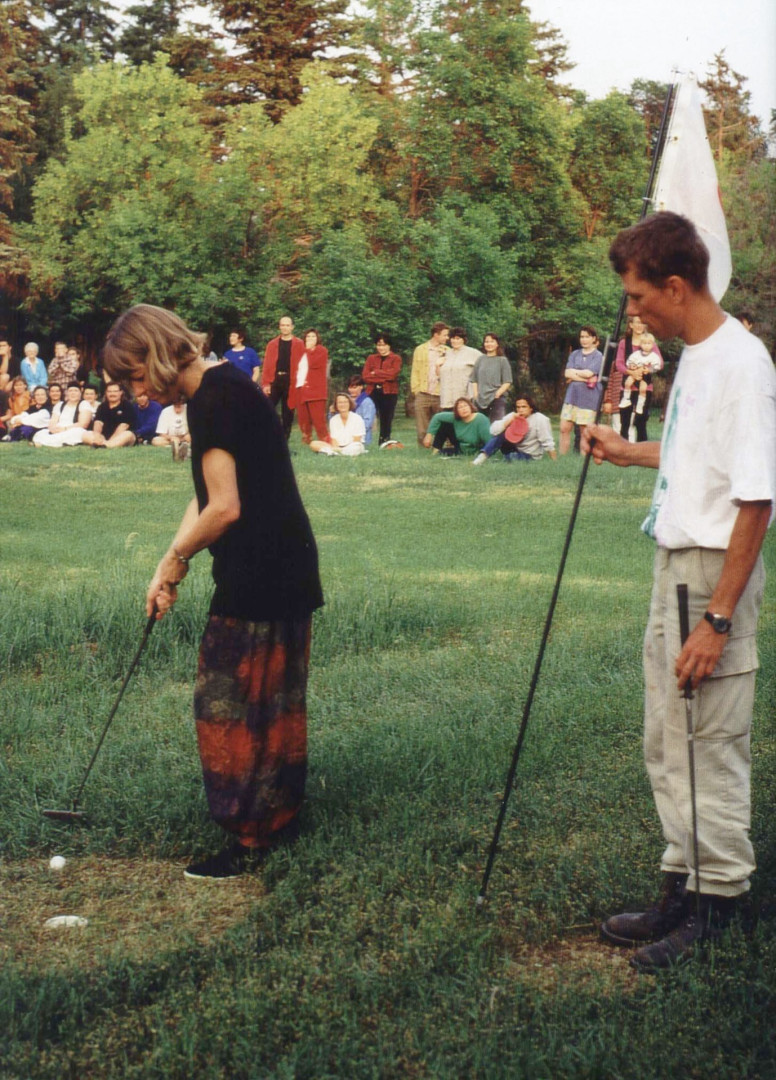
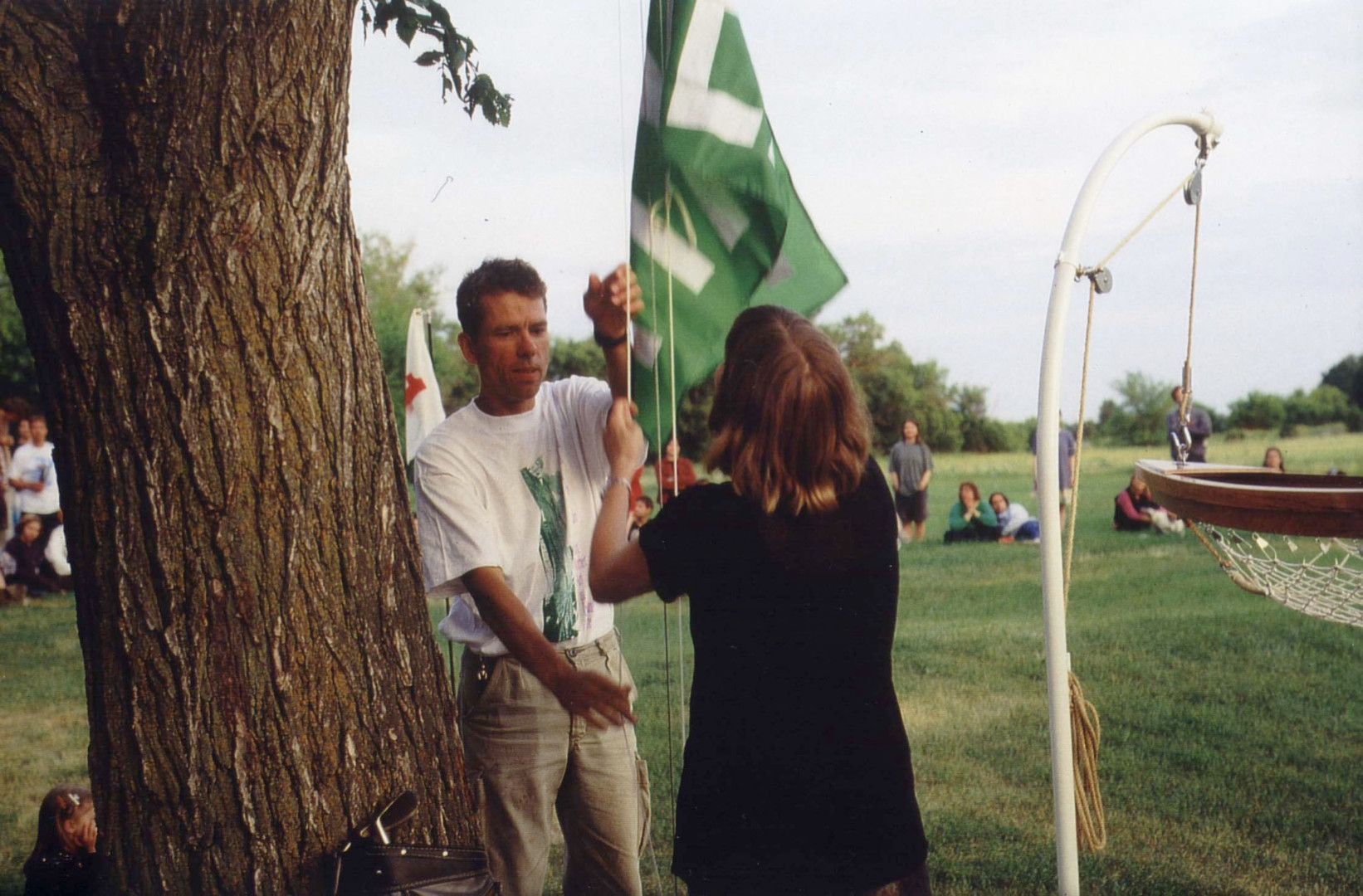
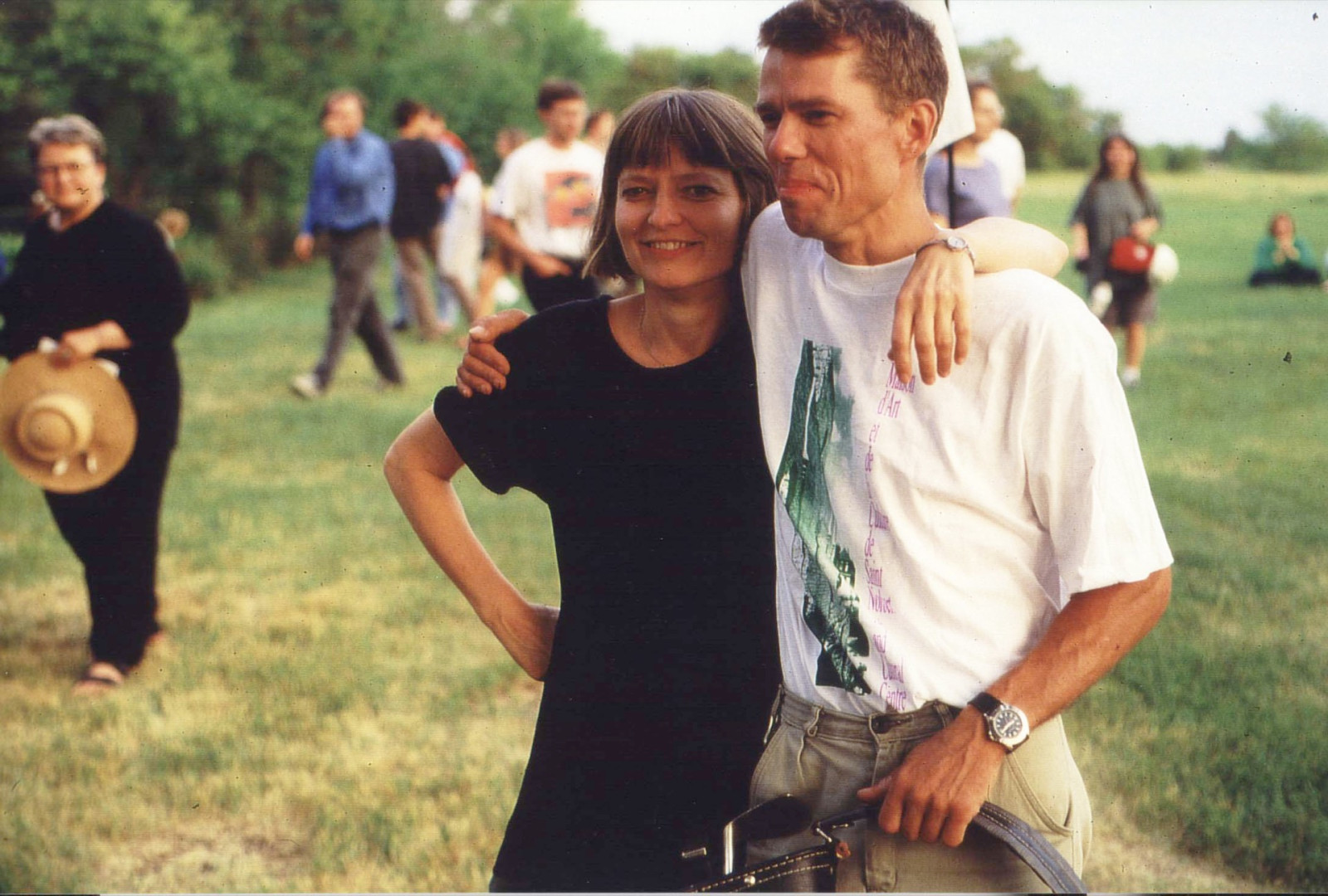
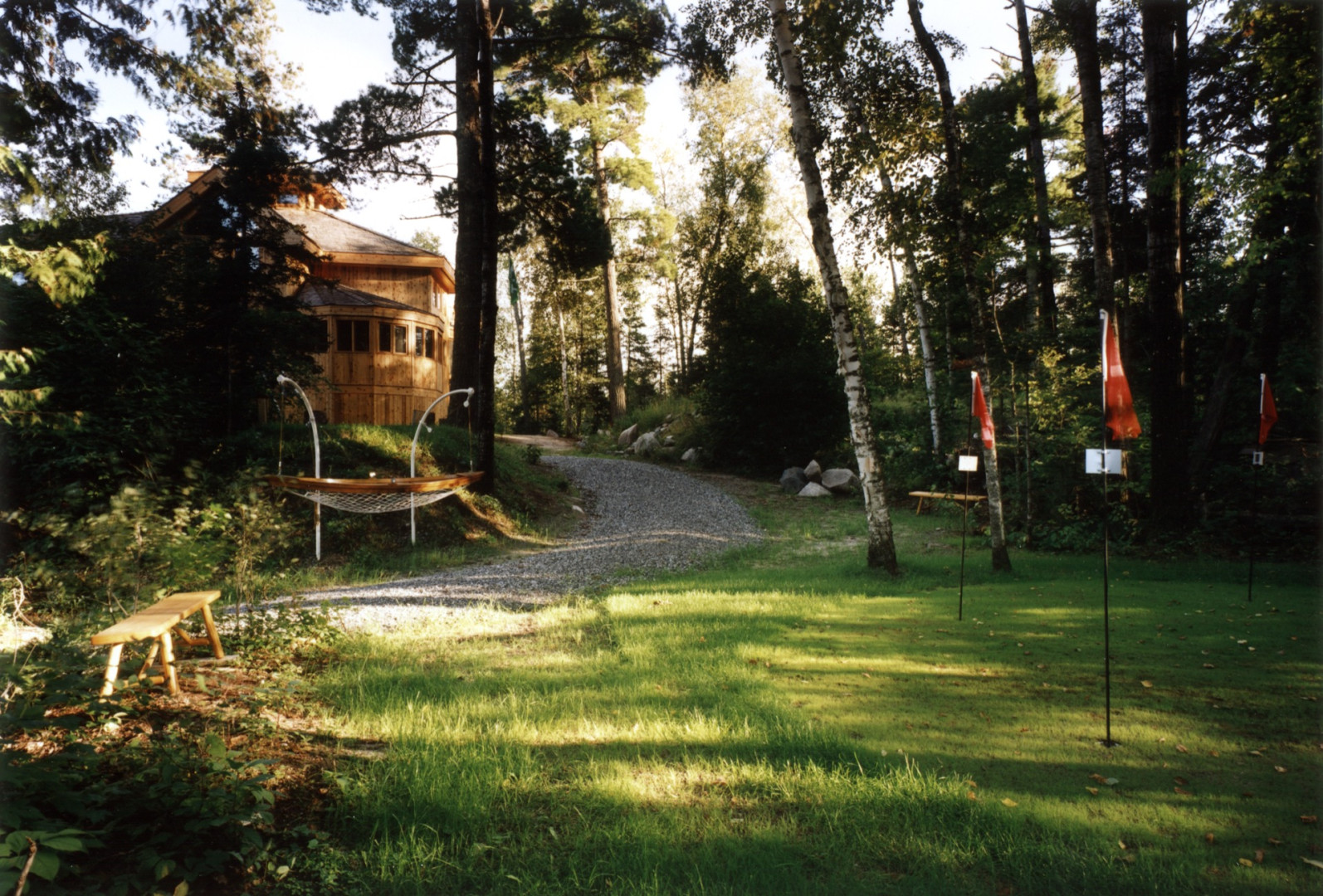
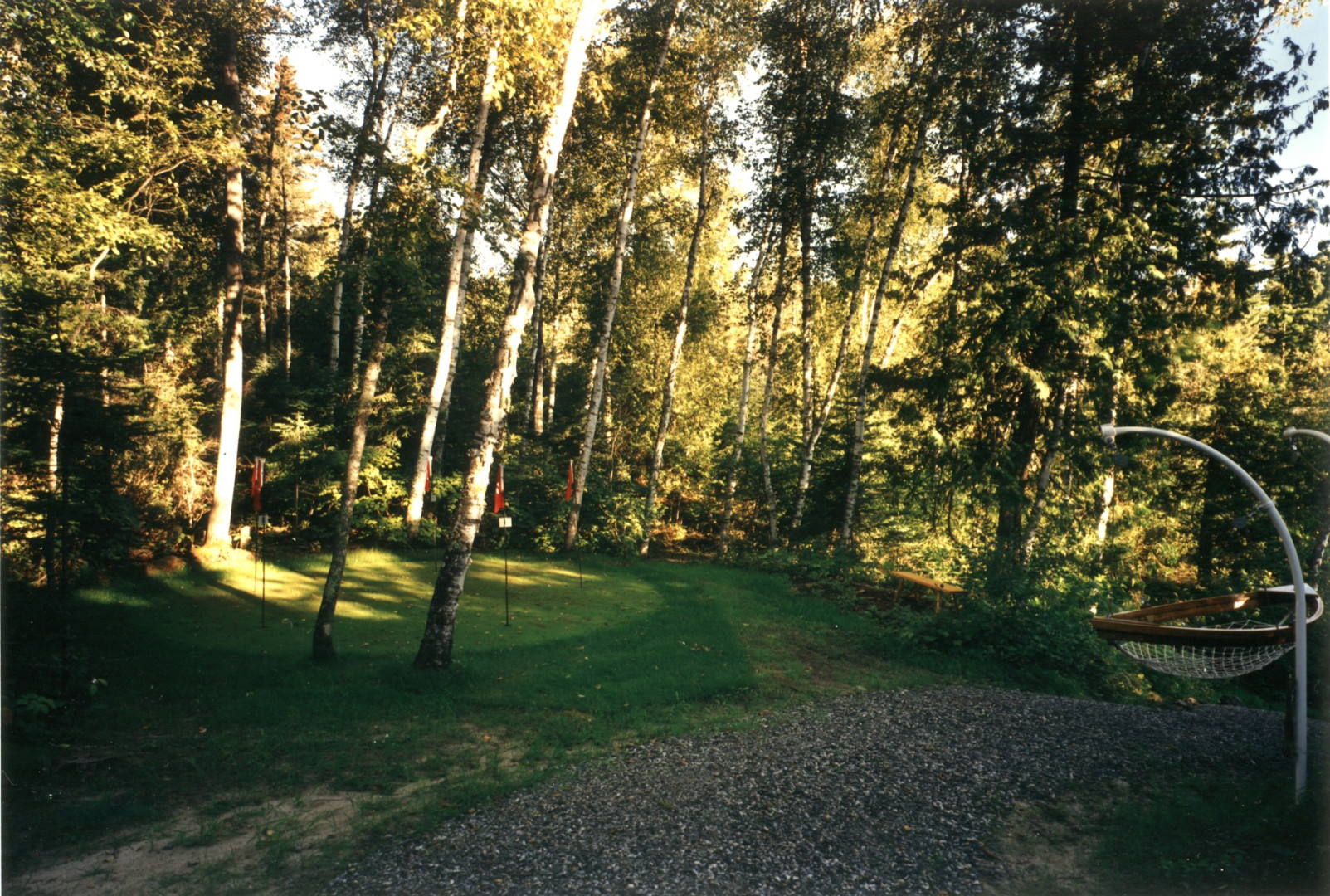
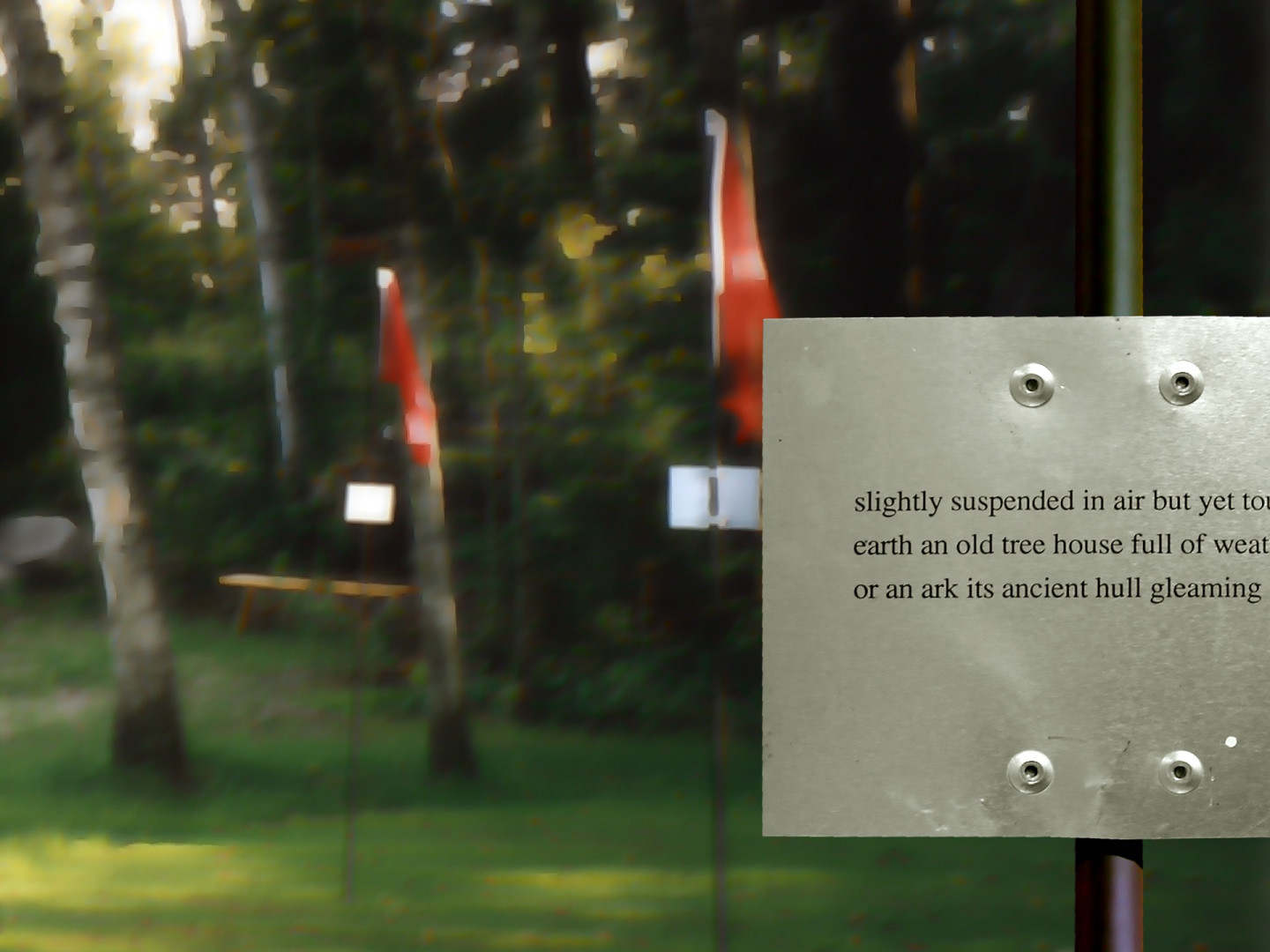
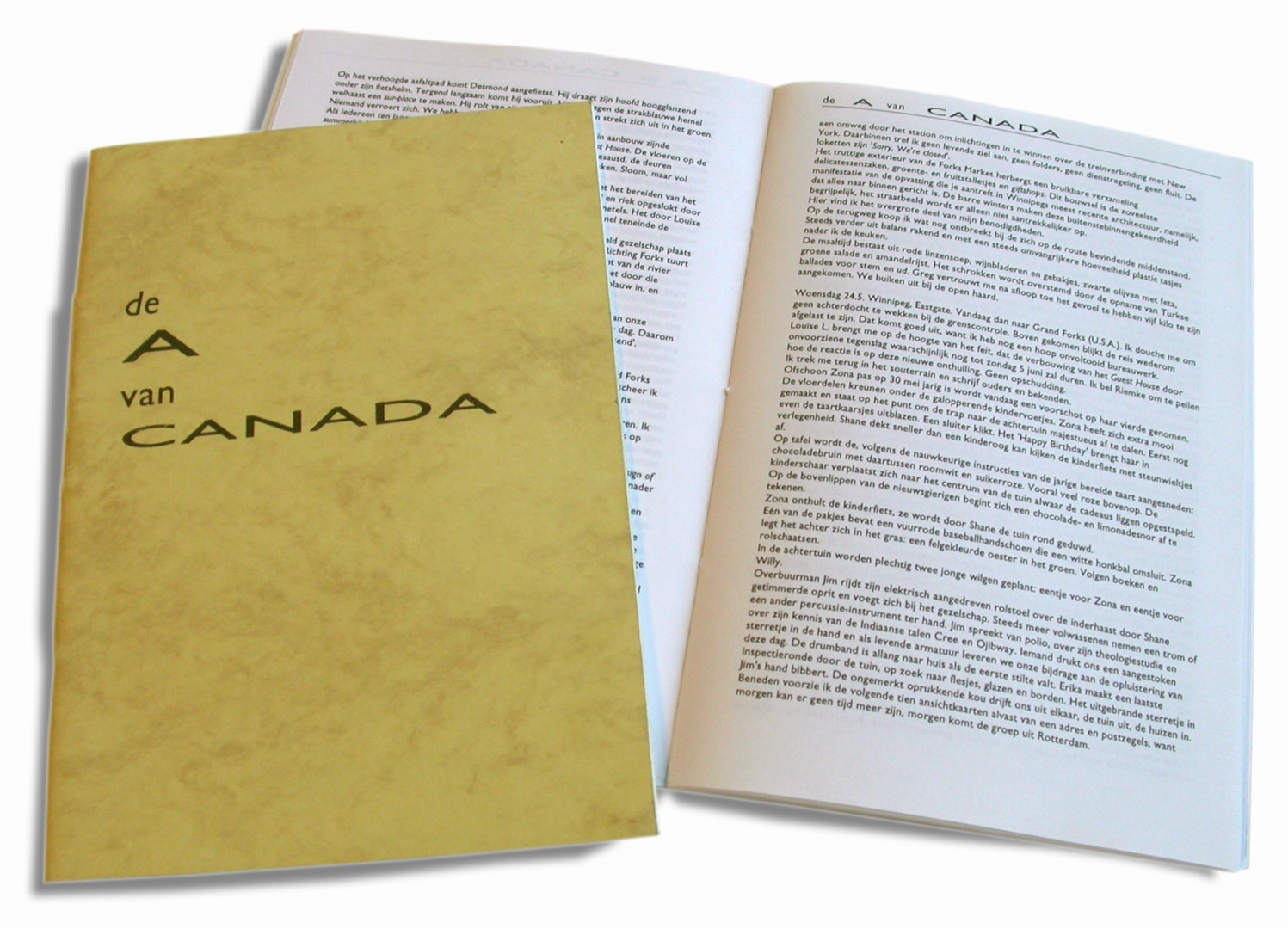
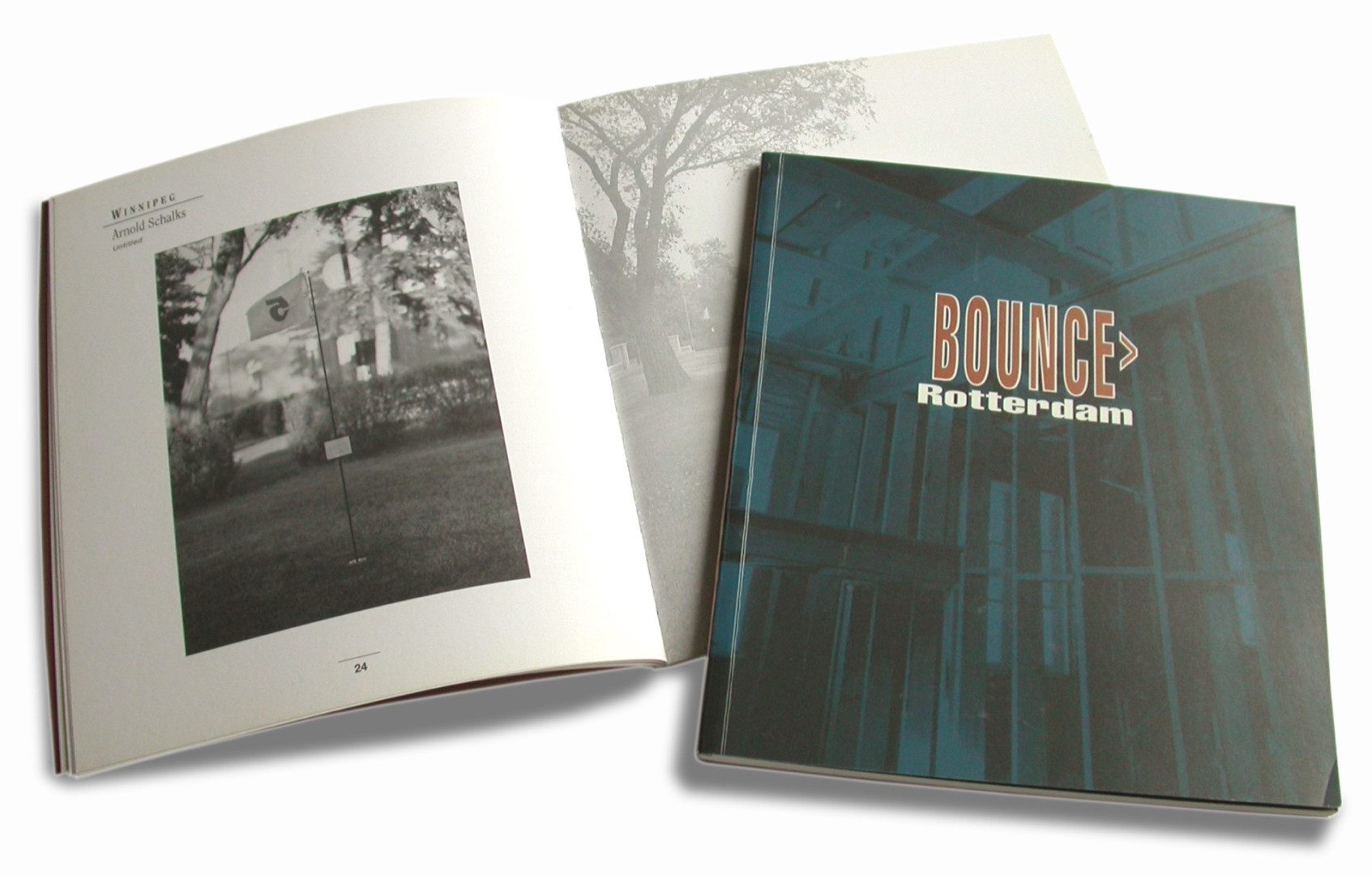
Bijdrage aan het Nederlands/Canadese culturele uitwisselingsproject BOUNCE > Rotterdam op uitnodiging van Saint Norbert Arts and Cultural Centre (SNACC). Verblijfsperiode: 9 mei tot en met 8 juli 1995. Tentoonstellingsopening: 25 juni 1995, bij de ruine van het Trappistenklooster van 'Our Lady of the Prairies', Saint Norbert, Manitoba, Canada.
Van 9 mei tot en met 8 juli 1995 verbleef ik in Canada in verband met mijn deelname aan het Nederlands/Canadese culturele uitwisselingsproject BOUNCE>Rotterdam. BOUNCE>Rotterdam kwam tot stand door de samenwerking van stichting Kunst & Complex (Rotterdam) met het Saint Norbert Arts and Cultural Centre, afgekort SNACC (Saint Norbert) en de Open Space Gallery (Victoria). SNACC-staflid Louise Loewen coördineerde het Canadese gedeelte van het project.
Het Saint Norbert Arts and Cultural Centre is gevestigd in het Guest House van het voormalig Trappistenklooster in de gemeente Saint Norbert aan de rand van Winnipeg. De Trappisten bouwden het klooster in 1912 en wijdden het aan 'Our Lady of the Prairies'. De orde woonde en werkte er tot 1978. Toen dwong het steeds verder oprukkende profane Winnipeg de kloosterlingen tot een omzien naar rustiger oorden. Ze namen de wijk naar het dorpje Holland, Manitoba. De strijd om het, nu vogelvrije, terrein brak los. Makelaars en projectontwikkelaars agit-propageerden hun particuliere plannen. Een golfparcours moest er komen, luxe appartementen zouden er verrijzen. Een groepje activisten waaronder Louise Loewen wist het terrein na een zenuwslopend gevecht voor de gemeenschap te behouden. Niet lang daarna werd in het leegstaande centrale kloostergebouw: de kerk en de verblijven van de monniken, brand gesticht. Het hart van het complex werd onherstelbaar beschadigd. In 1990 werd de ruïne tot Nationaal Monument verklaard en het openbare karakter van het terrein officieel bekrachtigd.
Het gespaarde Guest House is gelegen aan de oever van de LaSalle rivier. Voorafgaand aan onze komst en tijdens ons verblijf ondergingen de drie verdiepingen van het gebouw een grondige face-lift. Het herbergt inmiddels het SNACC-kantoor, ateliers, woon-, slaap- en expositieruimte.
Op 9 mei vloog ik als eerste Bouncer naar Winnipeg voor een verkenning van het mij nog onbekende werkterrein en een bezinning op mijn toekomstige werkzaamheden. Achttien dagen later arriveerde de rest van de groep in Winnipeg voor het officiële begin van het project: een werkperiode van één maand. Tien kunstenaars van Kunst & Complex werkten in het kader van BOUNCE>Rotterdam op locaties in St. Norbert en Winnipeg. Zes van hen reisden door naar Victoria voor een tentoonstelling in de Open Space Gallery aldaar.
Rotterdam, 2 augustus 1995
ZONDER TITEL, installatie.
Locatie: SNACC, tussen de ruïnes bij de vijfvingerige iep - een dierbare boom - terwijl de zon boven de prairie ondergaat.
Materialen en proces: Tijdens de lange vliegreis over de oceaan leest hij (Arnold Schalks, red.) de poëzie van Di Brandt. Aangekomen in Winnipeg koopt hij al haar boeken en leest ze aandachtig, met een Nederlands/Engels woordenboek bij de hand. Hij kiest één gedicht, een liefdesgedicht – nee, geen liefdesgedicht, een gedicht over plaats en ontheemding.
Aantekeningen voor mezelf: Het liefdesgedicht wordt vereeuwigd in een cirkelvormige golfbaan, compleet met vlaggen die worden verwijderd naarmate het putten vordert. Boven, opgehangen aan geconstrueerde davits, hangt een boot met een romp van gaas - dit is een boot voor lucht, wind en vuurvliegjes, niet voor water (behalve misschien voor tranen). Elk materiaal is nauwkeurig gekozen, elke intentie hoog gewaardeerd. Maar dit kan geen ironie zijn. Is een boot die de vallende bladeren opvangt niet een symbool van liefde, een eerbetoon? Maar toch is er het verdriet van het loslaten.
Winnipeg 14.6.95
Beste Di,
de cirkel begint zich te sluiten. Ik heb mijn gedachten verzameld in de la van mijn nachtkastje. Nu is het tijd om mijn conclusies te trekken; tijd om intenties om te zetten in dingen. Ik manoeuvreer de onderdelen van mijn installatie langzaam naar hun definitieve positie. Doe je nog steeds mee, Di?
De eerste hole:
since we cannot meet on father ground 1)
our father's land as sister & brother ever
let's imagine a new place between us
Ik heb wat geld geïnvesteerd in mijn avontuur in Winnipeg. Ik heb een fiets gekocht, waardoor ik niet meer altijd mijn vrienden met een rijbewijs hoef te vragen om me een lift te geven. Dit alternatief met drie versnellingen en een zadel vergroot het bereik van mijn verkenningen met een factor drie. Moeiteloos laat ik het architectonische verweesde centrum van Winnipeg achter me. Ik steek zebrapaden en spoorlijnen over. Plotseling bevind ik me in St. James, op zoek naar tekenen van leven.
De tweede hole:
slightly suspended in air but yet touching
earth an old tree house full of weather
or an ark its ancient hull gleaming
Kevin Waugh, een stagiair van het project, brengt me naar Dan Teichmann. Dan is eigenaar van de Henry Avenue Forge, een goed uitgeruste smederij met uitzicht op het spoorwegemplacement van Winnipeg's CPR. Hij zal de stalen buizen buigen en de davits lassen. Hij rookt een sigaar terwijl hij me foto's van zijn recente werk laat zien. Hij hoeft me niet te overtuigen, ik voelde zijn klasse toen we elkaar voor het eerst de hand schudden. Als ik wegga, laat hij me trots zijn Moto Guzzi 850 ‘Eldorado’ zien. Hij maakt er eens per jaar een rit mee van kust tot kust. Dell'Orto, Veglia, Marzocchi: bezweringen uit een vorig leven.
Buiten stap ik op mijn Raleigh om verder te zoeken naar ontbrekende onderdelen en bruikbare materialen.
Ik kocht hijsmateriaal: schoten, haken en katrollen.
Ik bestelde mahonie en hemlock voor de reling van de reddingsboot.
Ik vond precies het juiste net om de romp van het schip te vervangen.
Houten palen die uit de putting green steken, markeren de plaats van de davits.
De derde hole:
remembering the rains let's gather our
belongings & our children & meet at the
river this will be a new country love
Op het gazon voor de ruïnes trok ik een cirkel met een straal van 7,5 meter. De omtrek raakt de stam van een handvormige iep. Binnen deze grenzen zullen alle elementen van de installatie hun plaats vinden. Zoals de dichter woorden uitzet om de omtrek van haar bedoelingen te schetsen, teken ik een cirkel om het bereik van mijn visuele interpretatie ervan te bepalen. Ik teken een pentagram over de cirkel heen. De vijf punten vallen samen met de omtrek van de cirkel. Deze punten geven de positie van de puttholes aan.
Bij ABAR Industries deed ik een aanbetaling voor vijf witte nylon golfvlaggen van 14“ x 18” met de cijfers 1 tot en met 5 erop. De leverancier van golfuitrusting die ik in de Yellow Pages van 1994 vond, is niet meer in business. In een telefooncel voelden de paginas van het telefoonboek klam aan door de regen van gisteren. Bij Consolidated Turf Equipment kocht ik vijf witte plastic puttholes en vijf zwarte glasvezel vlaggenmasten. Met mijn goedgevulde rugzak meng ik me in het dagelijkse gemororiseerde strijdtoernooi op Pembina Heights, waarbij ik de vijf 7' lange vlaggenmasten als een lans droeg. Op de vloer van mijn pas geschilderde gastenkamer in St. Norbert stal ik de opbrengst van mijn zoektochten uit.
de 4e hole
crossing the field to greet you i will lay
my old weapons down & wait if you are
here with me under the harvest moon
De iep rijst als een uitgestrekte hand op uit het glooiende veld. Zijn handpalm geopend naar de nu wolkenloze hemel. Er is geen enkel wolkje om naar te zwaaien. Engelachtig blauw...
Laten we de boom vergelijken met een hand: ik wil een horizontale staalkabel spannen tussen de twee voorste gevorkte takken, en de figuurlijke duim en wijsvinger van de boom met elkaar verbinden. Vanuit het midden van die kabel loopt een tweede staalkabel naar de voet van de boom (het polsgewricht). Die onderkant van die kabel wordt verankerd aan een betonnen poer en met behulp van een draadspanner op spanning gehouden, waardoor een licht gekantelde 'T' ontstaat. Aan beide uiteinden van de verticale kabel worden katrollen bevestigd, zodat een vlag met behulp van een nylon koord kan worden gehesen of gestreken.
Ik bracht weer een bezoek aan ABAR Industries om nog een vlag te laten maken. Dit keer bestelde ik een groene vlag van 66 x 91 cm met witte letters, waarop ‘EXIT’ stond. De vlag van de sterfelijkheid. Ik prefereerde de Europese kleurstelling voor noodsituaties boven de Noord-Amerikaanse: ik verkoos witte letters op een groene achtergrond die een 'relatieve veiligheid daarbuiten' beloven, boven rode letters op een zwarte achtergrond die het 'absoluut gevaar om hier vast te komen zitten' benadrukken.
Ik hoop dat je deze vlag samen met mij wilt hijsen bij de opening. Samen zullen we hem in het gebladerte hijsen terwijl de doedelzak in 2/4 en 6/8 maat jigs en marsen speelt. Zijn soepele lijf zal zich aanpassen aan de heersende wind en zich als een draaideur schikken naar de verschillen in luchtdruk. Verborgen in het groen zal de vlag zijn onopvallende rol spelen tot de herfst aanbreekt.
de vijfde hole
we will look in each other's eyes without
speaking our hands will shake & the great
wooden door will begin creaking open at
last since we cannot meet.
Elke keer als ik dit gedicht lees, voel ik de drang om de woorden ‘on father ground’ te vervangen door 'in mother's tongue'. Een fenomeen dat vergelijkbaar is met een ervaring die jij hebt: Als je naar de oceaan kijkt, associeer je die meteen met de prairie. Dat beeld wordt steeds sterker, totdat het ten slotte de oorspronkelijke ervaring vervangt. Misschien is mijn associatie het gevolg van mijn onbewuste verlangen om betrokken te zijn bij het gedicht, om persoonlijk aangesproken te worden door de dichter. Dat verschijnsel is mogelijk een van de redenen waarom ik dit gedicht koos als leidraad voor mijn installatie in St. Norbert. Mijn neiging om het origineel te 'vervalsen' was zinvol, omdat het me in staat stelde het gedicht te begrijpen, om te vormen en mijn idee ervan uiteindelijk te verbeelden.
Ik besloot het gedicht in vijf fragmenten op te splitsen. Elk fragment wordt met zeefdruk op vijf metalen plaatjes aangebracht. De plaatjes worden met beugels op ooghoogte aan de betreffende golfvlaggenmasten bevestigd. Elke speler die de cirkelvormige golfbaan in de juiste volgorde aflegt, ervaart tegelijkertijd de spanningsboog van het opgesplitste gedicht.
Sinds mijn aankomst in Winnipeg spoken twee versies van een lied door mijn hoofd als wisselstroom: Sinatra's ‘Fly me to the Moon’ en Homerus' ‘Tie me to the Mast’. Beroemde woorden op dezelfde arrangementen van Nelson Riddle die op de een of andere manier de grenzen van mijn spel in dit project definiëren. De tekst begint door mijn hoofd te spoken zodra mijn aandacht verslapt.
‘s Nachts, terwijl de maan wast en de wind huilt, ga ik naar buiten en leun ik tegen een boom. Terwijl ik zachtjes 'Tie me to the Lunar Module’ zing, kijk ik naar dingen die in omloop zijn rond mijn blote oog.
Een maand nadat we elkaar voor het eerst ontmoetten, gaat onze samenwerking over in de laatste aggregatietoestand: die waarin vloeibare materie stolt. Onze gedachten materialiseren in een driedelige plaatsgebonden installatie. Diens simpele gedaante maakt een meervoudig gebruik en een veelvoud aan interpretaties mogelijk. Laten we hopen dat de prairie onze piepkleine interventie in haar ooghoek zal tolereren.
De caddy is klaar, de clubs zijn besteld, de putt holes zijn geplaatst.
Ik kijk uit naar ons potje golf van volgende week.
Liefs van Arnold
1) Uit: ‘Agnes in the sky’ door Di Brandt. Pagina 28, Turnstone Press 1990, Winnipeg.
Winnipeg 24.6.95
beste Arnold, het is te warm om in mijn studeerkamer te schrijven, dus heb ik Wayne's laptop geleend & die op mijn bed gezet, met de lamp over mijn linkerschouder & de ventilator die koele lucht de kamer in blaast, maar toen wist ik niet hoe ik hem aan moest zetten, dus nu schrijf ik dit toch met de hand, in kleermakerszit op mijn bed gezeten, op blauw gelinieerd schoolpapier, zoals ik vroeger deed, zoals we allemaal deden, vóór computers, vóór typemachines.
je zult dit lezen nadat ik het op de computer heb overgetypt, dus je zult de zwarte vlekken & doorstreepte woorden niet zien die ik samen met de woorden aanbracht op het witte vel, maar ik stel me graag voor dat ze nog aanwezig zijn, in de schaduwen, achter de woorden, dansend & glinsterend zoals schaduwen dat doen, soms groot, soms klein, in & uit het licht bewegend.
het is jouw zorgvuldige, zorg-vuldige beschrijving van hoe je de installatie bouwt, die me deed denken aan de uitgebreide voorbereidingen die ik ook maak, wanneer ik ga zitten om woorden samen te stellen, beelden te bouwen, collages, interventies zoals jij zegt - wat een mooi woord, dat ik op de een of andere manier associeer met het ‘goddelijke’. & waarom ook niet, er zijn overal om ons heen wonderen, waarom zou er hier geen zijn, tussen deze rondwarende monnikengeesten aan de rand van de wijdse prairie.
de iep die je hebt gevonden en die als een uitgestrekte hand naar de hemel reikt, raakt me op een manier die je niet kunt weten. de familieboerderij waar ik in het gedicht aan dacht toen ik zei: ‘on father ground, our father's land’, heette Elm Ridge Farm. de boerderij is dit jaar ontmanteld & verkocht aan vreemden. het grootste deel van de boerderij bestond niet uit iepen of heuvelruggen, maar uit rechte, kale velden bezaaid met tarwe, gerst, vlas & suikerbieten. we zagen hoe onze vader de prairie omvormde tot landbouwgrond & later, na zijn dood, voerden we een hevige strijd over van wie het land was. & nu ben ik hier, nog vers in rouw om het verlies ervan, die plek waar ik zo diep geworteld was & waarvan ik dacht dat die er voor ons was, in ons, voor altijd. En deze uitgestrekte hand, reikend naar de open lucht, lijkt zo'n perfecte metafoor voor thuis, zoals ik het nu in mij voel, de dubbele rij essen, suikeresdoorns en iepen die onze boerderij omringden, met hun sierlijke, golvende takken, als fonteinen dacht ik vaak, of als de armen van dansers, & hoe het allemaal in de loop van de tijd is veranderd in pure herinnering, dun & doorlaatbaar, maar sterk genoeg om ons te ondersteunen, ons te bezielen, als lucht.
& jij hier, letterlijke beelden bouwend, van hout & staal, met je handen, uit mijn luchtige woorden, lijkt wel een wonder, mijn oude Nederlandse afkomst van scheepsbouwers & timmerlieden die in mij oprijzen, triomfantelijk, de echtheid van gedichten verkondigend, ja, ze zijn iets, ze bestaan in tijd & ruimte, zie, zie hoe je ze kunt ophangen aan een boom aan de rand van de wijdse prairie. hoe we de woorden uit de fysieke wereld halen & ze er weer aan teruggeven, de ruimte die ze innemen op de pagina, in onze ogen, oren, geest & hier, op wonderbaarlijke wijze transsubstantieerend in een ark, gemaakt van hout & hennep & staal, hangend in de lucht, blootgesteld aan het weer, ons het onmogelijke biedend, de ontmoeting in het gedicht die nooit kan plaatsvinden, plotseling echt gemaakt, weer mogelijk, in het vlees, een liefdesgedicht uiteindelijk, met zijn reiken naar het voorbije, naar -
zo'n passend requiem, & slaapliedje, & liefdeslied, allemaal tegelijk, in realtime, in broeder zuster moedertaal, zo'n mooi geven & nemen op de prairie.
liefs, Di
Dinsdag 9.5. Rotterdam, Centraal Station.
Het begon in de regen. Na de 11.34 uur trein gemist te hebben, na de gedwongen scheiding van Wanda Koop op Schiphol als gevolg van een extra security check bij North/West Airlines, na twee opgeloste uren op het vliegveld van de twin-cities van Minneapolis & St. Paul door versnellingsbakproblemen met de 727, na een onderhoudend oponthoud bij de immigration-officer op Winnipeg Airport vanwege klasseringsproblemen bij de inreis van een cultureel uitwisselende ingevlogen Hollander, kortom: na een geestelijk vacuüm van ruim vijftien uur sloot ik Louise Loewen in mijn armen. In de avondzwoelte reden we naar de monumentale villa aan Eastgate nummer 5. Samen met videokunstenares Erika MacPherson en overbuurman Jim dronken we op de veranda van het huis een glas bier. Ik probeerde me de aanblik van deze stad van bovenaf te herinneren: Winnipeg is een breedgesmeerde boterham.
Woensdag 10.5. Winnipeg, Eastgate.
Alle waarschuwingen ten spijt verliet ik rond twaalf uur het huis voor een voettocht naar Saint Norbert over Pembina Highway. Pembina Highway is een zogenaamde stripmall: een luidruchtige zesbaans-asfaltstrook, aan weerszijden afgezet met snackbars, banden- en olieververscentrales en supermarkten. Daardoorheen gevlochten, undercover, talloze kerken, die alleen de aandacht trekken omdat het firmalogo zo bekend voorkomt. Dit doet geen Canadees mij vrijwillig na.
Eastgate > Grant Avenue: 30 minuten
Grant Ave. > Mc Gillivray Boulevard: 30 min.
Mc Gillivray Blvd > University Crescent: 30 min.
University Cr. > Killkenny/Kings Drive: 30 min.
K/K Dr. > South Perimeter Bridge: 20 min.
Onder de brug onderbrak ik mijn wandeling: Louise legde, samen met Louis Ogemah en een groepje scholieren van een plaatselijk college, de laatste hand aan een reusachtige muurschildering die op een van de pijlers van de brug was aangebracht. Deze dag werd een almost scorcher: de zon brandde op volle kracht door mijn trui heen. Ik vervolgde mijn reis langs Pembina Highway en deed onderweg het SNACC noodkantoor aan, waar ik executive director Gilles Hébert ontmoette. Hij begroette me met een brede lach vanachter zijn computer-, telefax- en -foonloos bureau. -Loos, omdat er pas werd ingebroken. Het leek alsof we elkaar al jaren kenden.
Sinds mijn aankomst in deze stad verbaas ik mij erover hoe vertrouwd alles op mij overkomt. Winnipeg is tot nu toe een continu déjà-vu. Het laatste traject naar de ruïne van het voormalig Trappistenklooster leg ik samen met Louise te voet af: Als de prairie na een bocht in de weg aan mijn rechterzijde openscharniert, 99 % hemel en 1 %, aarde vraagt Louise wat ik zie. "Prairie", zeg ik. Ik raad verder. Louise verraadt haar droom: Eens zal dit land van haar zijn en zullen er bizons grazen. En, verrek, nu je 't zegt: die mesthoop in de verte heeft wel iets weg van... .
Dan doemt de ruïne op. Ik buut mijzelf vrij op het metselwerk van de kerk. Ik ben twee uur en vijftig minuten lopen verwijderd van mijn vertrekpunt. Alles krijgt ineens een menselijke maat nu de omgeving, het hier en nu, dat op de dia's buiten het kader viel, zich ongehinderd in het blikveld voegt. Shane Stewart en Louise geven een rondleiding door het Guest House. De verbouwing is nog in volle gang. Het is ongelofelijk dat wij over twee weken onze intrek in deze ruimtes zullen nemen. Op het grasveld naast de ruïne wordt Shakespeare's 'Midsummernightsdream' gerepeteerd. Stemverheffingen: de wet van Thou en Thine.
Downtown eten we pasta op een fundraising-dinner met door-price voor de Winnipeg zomertheaterschool. Shane wint een thermoskan en de bijbehorende thermo-tas. 's Avonds puilt het huis aan Eastgate tot voorbij haar statige zuilenportaal uit van de gasten. In de achtertuin wordt de nacht ingeleid met banjo- en gitaarklanken en een lik der blauwe tong van hond Bucky sends me off to bed.
Donderdag 11.5. Winnipeg, Eastgate.
De geur van bakkend brood in de keuken. Ik heb op mijn gemak bijgepraat met Louise en heb haar de meegebrachte catalogi overhandigd. Ik ga op avontuur in het centrum van de stad. Het weer is omgeslagen. Dit wordt een druildag. Ik maak een wandeling van ca. vier en een half uur. Onderweg tracht ik verschillende geldautomaten te overtuigen van mijn kredietwaardigheid, zonder succes. Ik krijg het er benauwd van. Ik bezoek de Plug-in Gallery, nuttig een burrito-veggie-special bij TacoTime.
Ik ben voornamelijk buiten gebleven. Ik heb de indruk dat er niet veel meer achter de façades steekt dan ik van buiten reeds heb waargenomen. Gelukkig, de bibliotheek is een prettige pleisterplaats. En gelukkig, in de ondergrondse Winnipeg Square Mall vind ik een automaat die mijn pasje slikt en mij beloont. Opgetogen terug via Broadway en Langside Street.
Thuis is de tafel gedekt: Louise's ouders, Bill en Shirley Loewen, zijn op bezoek.
Na de afwas gaan we met z'n allen naar de Winnipeg Art Gallery voor de opening van de kroontentoonstelling van Aganetha Dyck.
Aganetha Dyck is een senior artist die in Winnipeg woont en werkt. Ze gebruikt alledaagse voorwerpen als: knopen, weckglazen, peuken, schoenen en kledingstukken en vormt ze om tot beelden en installaties. Ze is ook imker. Een deel van de tentoongestelde voorwerpen plaatste ze in haar bijenkorven. De bijen veranderden de objecten door er met bijenwas een eigen vorm over aan te brengen. In 1993 werkte ze een tijdje in Rotterdam in één van de gastateliers van de stichting.
Voor de kinderen zijn er koekjes met honing van Aganetha's hoogsteigen bijen. Aganetha staat voorovergebogen in het centrum van de aandacht, bezig de in grote getale aanwezige kinderen te voeden. Ik ontmoet veel mensen, de uitnodigingen vliegen in het rond: hier wordt met scherp geschoten. Onder het publiek bevindt zich ook Di Brandt, de dichteres die ik heb gevraagd met mij samen te werken.
Louise wil ons onmiddellijk aan elkaar voorstellen. Als het aan mij lag had ik die eerste lijfelijke voorstelling liever nog even uitgesteld. Exact één maand geleden leerde ik Di kennen door het openslaan van haar tweede dichtbundel: Op 11 april 1995 las ik 'Agnes in The Sky' tijdens een boswandeling in het Duitse Licher Wald. Op grond daarvan heb ik me een beeld van haar gevormd. Ik wil de confrontatie van de Di die ik reconstrueerde uit haar werk met de werkelijke Di nog even uitstellen. Ik wil nog even in de zorgvuldig opgebouwde waan gelaten worden.
Het is merkwaardig als het literaire oeuvre waar je in thuis geraakt bent een stem krijgt, die boekdelen spreekt. Als we elkaar een hand geven snap ik niet waar ik me zo druk om heb gemaakt. Di is compleet. Ik besluit haar voorafgaand aan het overleg regelmatig te schrijven.
Vrijdag 12.5. Saint Norbert.
Happy Birthday Manitoba! In het St. Norbert Community Centre wordt het 125-jarig jubileum van de staat Manitoba gevierd. Mensen in traditionele kleding paraderen in chronologische volgorde langs het erepodium waarop de Lieutenant-Gouvernor van Manitoba is gezeten. Een plaatselijk muziekkorps en een jeugdkoor zetten de plechtigheid luister bij.
De kleinzoon van Luis Riel, een Métis-rebel die vocht voor de zelfstandigheid van Manitoba en uiteindelijk door de overheid werd gehangen, spreekt de gemeente toe. Halverwege zijn toespraak schiet hij vol. Met een gebroken stem maakt hij zijn rede af. Sommige aanwezigen, voornamelijk natives, kunnen hun tranen ook niet meer de baas. De herdenking gaat velen kennelijk onder de huid.
Het kinderkoor sluit de bijeenkomst af met een karaoke-versie van het thema van Walt Disney's 'The Lion King'.
Een handjevol mensen heeft zich verzameld onder het brugdek van de South Perimeter Bridge voor de officiële presentatie van de muurschildering. En ook al biedt het brugdek bescherming tegen de regen, de ijskoude wind fluit er vrolijk onderdoor. Te optimistisch geklede mensen nemen na een korte blik op het werkstuk weer plaats in hun auto's. Het wachten is op de schoolbus die de scholieren zal afzetten. Het obligate gemeenteraadslid houdt zijn idem toespraak. Voor het obligate handschudden moeten de handen uit de mouwen worden opgediept, en dat is het dan. De drie kartons vol donuts zijn in een oogwenk geledigd.
Louise Loewen brengt me naar de stad, want ik heb een afspraak met Louise Jonasson. Ze is schilderes, schrijfster en medewerkster van het literaire tijdschrift 'Prairie Fire'. Zij heeft het informatiepakket voor het literaire gedeelte van mijn project mede helpen samenstellen. Ze werkt in het atelier naast dat van Eleanor Bond. Nadat Louise J. me haar werk heeft getoond besluiten we de kennismaking voort te zetten bij een échte kop koffie. A cup of coffee that will push your eyeballs out, zouden de Canadezen zeggen. We zijgen neer in een Eritrese coffee-bar in één van de overdekte winkelpassages. Onvervalste espresso, waar voor ons geld. Wederom valt mij op hoe vertrouwd deze mensen mij zijn. Louise J. is zo aardig. Het wordt mij wel heel makkelijk gemaakt mij hier thuis te voelen. Ik beloof dat ik volgende week Indonesisch voor haar zal koken.
In huize Eastgate is de open haard aangemaakt. Terwijl de rest van de bewoners zich bezighoudt met het aanbrengen van teksten op spandoeken voor de 'SNACC parade' van morgen, knijpen Louise L. en ik er tussenuit voor Primus Theatres' "Alkoremmi".
Zaterdag 13.5. Saint Norbert, Community Centre.
Vandaag vindt de parade plaats die de aandacht moet vestigen op het feit dat St. Norbert aan de wieg stond van het nu jubilerende Manitoba. De optocht is een initiatief van SNACC. Een selecte groep vrijwilligers verzamelt zich in de kleedkamers achter het St. Norbert Community Centre. De stoet die zich een uur later opstelt in de venijnige noordenwind is exotisch en past niet in het decor van deze bijna winterse dag. Voorop: Joe Gaudry, een zeer jonge bagpiper die zijn messcherpe versie van 'Amazing Grace' vooruitwerpt. Daarachter Desmond Burke en ik. Wij hebben ons in een rotan paard gehesen, en zullen het paardenlijf aan twee banden over onze schouders achter de doedelzakspeler aan dragen. Dan komt de verklede drumband: Louise L., Erika, Kristina en Mike. Daarachter een gevolg van ongeveer twintig kinderen en volwassenen, dat aan het schaarse publiek flyers van SNACC uit zal delen. Nog even krijgt de piper de kans om te soleren. Zodra het gezelschap Pembina Highway is overgestoken zal de batterij losbarsten. We zetten ons in beweging. De tocht voert naar een nog niet geheel afgebouwde schuur. In de provisorisch met zeildoek afgedekte constructie bevindt zich een ensemble van een opgezette os met ossenkar. De os heet Napoleon en is de mascotte van St. Norbert. In 1970 reisde een inwoner van het dorp, ter gelegenheid van het honderdjarig jubileum van Manitoba, met deze os (die toen nog Sandy heette) en deze ossenkar op en neer naar Alberta als eerbetoon aan de eerste settlers. Na de dood van de os liet de eigenaar het dier opzetten. In het lijf van het dier werd een voorziening aangebracht waardoor voormalige "Sandy" kan plassen. Ridicuul, die twee centimeter roodkoperen kiwa-pijp, die vlak achter de balzak uit de ossenhuid steekt, Napoleons Waterloo.
De doedelzakspeler klaagt dat zijn instrument onderkoeld begint te raken. Op de gezichten van het publiek staat het kou lijden geschreven. Tot overmaat van ramp en met ijzig geduld presenteert Len van Roon (ex-NL) zijn boomplantproject. Een groengarantie voor de toekomstige generaties Manitobezen.
Eindelijk zijn de woorden echt op. En dan maken we een ommetje, steken nogmaals Pembina over, blazen en trommelen Gilles vanachter zijn lege bureau op om te tonen wat we kunnen. Heel eventjes verschijnt hij in hemdsmouwen in de deuropening en geeft ons de zegen. Het plaatselijke feestcomité trakteert ons op pizza.
Shane en ik brengen Napoleon met kar en al naar de garage van Len van Roon alwaar hij zal worden ondergebracht zolang de schuur, zijn laatste rustplaats, nog niet voltooid is. Als we de oprit naar de Highway opdraaien wordt er vol begrip afgeremd en devoot afstand gehouden. We voelen ons heel even onschendbaar en onsterfelijk in onze pick-up met gewijde lading.
De os blijkt niet onder de deur van Len's garage door te gaan. Overleg. We kunnen gewoon doordouwen. We kunnen de banden van de aanhanger leeg laten lopen. We kunnen het houten laadrek van de kar afzagen. Alle voorstellen worden met gepaste voorzichtigheid geopperd want, wie weet, elk moment kan de Heilige Bliksem ons treffen. We duwen de os zo ver mogelijk naar binnen, maar moeten accepteren dat zijn geprepareerde ossenstaart en de houten kar nog geruime tijd aan de elementen blootgesteld zullen zijn.
Ik neem de hondenlijn en maak een wandeling met Bucky: Langside Street, Portage Avenue. Hoogbouw, windbouw. Wat uitstraling betreft (of het ontbreken daarvan) lijken Rotterdam en Winnipeg op elkaar. Ze hebben allebei een vrij onpersoonlijk centrum. Hier is alles alleen wat losser gespatieerd.
Winnipeg kampt met sociale problemen: in bepaalde wijken van de stad kom je veel dronken mensen tegen, voornamelijk Métis. De Métis-bevolking is van Indiaans-Europese afkomst en ontstond in de achttiende en negentiende eeuw door huwelijken van Fransen met Indiaanse vrouwen. Velen van hen zijn ongeschoold, werkeloos en aan de drank geraakt. Ze vormen een onderklasse. Pas sinds enige jaren wordt hun rechten en hun cultuur of, liever gezegd, datgeen wat ervan over is, officieel erkend. De Métis zijn koortsachtig bezig om de resten van hun culturele identiteit te conserveren en, aan de hand van gebrekkige overlevering, hun traditionele cultuur te reconstrueren. Die avond zijn we getuige van zo'n vingeroefening. Een avond met Métis-rap, Métis-ballads en hoop-dancing. Het laatste is een mengvorm van traditionele dans en acrobatiek waarbij de danser tijdens het dansen een vlechtwerk maakt van door hem meegedragen hoepels. De kunstenaar van vanavond krijgt het voor elkaar om achtereenvolgens drie verschillende geometrische composities te maken van wel veertig hoepels.
Eén van de organisatoren vertelt mij dat het lokaal waarin dit alles plaatsvindt kort geleden voor een laag bedrag te huur werd aangeboden door de plaatselijke overheid. Iets waar de Métis tien jaar geleden nog niet van zouden hebben durven dromen. Dat is tevens de aanleiding voor deze feestelijke bijeenkomst. Het klaart op.
Zondag 14.5. Winnipeg, Eastgate.
Het klaart op. Ik sta vroeg op om in het souterrain aan mijn verslag te werken. Louise L. heeft mij vandaag haar laptop uitgeleend en dat maakt het eenvoudiger om de stapel notities die op het tafelkleed zijn uitgestald tot een geheel te vormen. Aan het gestommel boven mijn hoofd te horen verzamelt zich in de woonkamer een groot gezelschap voor de moederdagbrunch. Zo onopgemerkt mogelijk betreed ik de begane grond om mijn lunch bijeen te scharrelen. Spoed is geboden om het risico te vermijden te moeten worden voorgesteld aan een onbekende. Ik plaats het bord met perogees, Oekraïense gebakjes, op het zonovergoten patchwork van mijn notities.
Later die middag neem ik heel even deel aan de bovengrondse activiteiten: Ik woon het openluchtconcert bij van het vrouwenkwartet 'Nipples to the wind'. Louise L. en Erika zingen met nog twee, mij onbekende, vrouwen a capella barbershop repertoire. Het concert wordt afgesloten met een stuk voor vocaal kwartet, vier handpoppen en (als de weersomstandigheden het toelaten) acht ontblote vrouwenborsten. De vier handpoppen worden aan de vandaag, vanwege de frisse wind, helaas onder textiel verscholen vrouwenborsten gedrukt.
Als ik de laatste hand leg aan het verslag is het donker geworden. Samen met Louise L. probeer ik het omvangrijke bericht binair door het intercontinentale faxluikje te proppen. Om 0.30 uur krijgen we last van slapende vingers en de rest van het lichaam besluit dit digitale voorbeeld te volgen.
Maandag 15.5. Winnipeg, downtown.
Maandag lasdag. Om 9.00 uur sta ik voor de dichte deur van de Centennial Library, die pas over een uur zal worden ontgrendeld. Verstoken van kennis beweeg ik me dertig minuten af van de bron van de door mij gezochte wijsheid, om me er in de daaropvolgende dertig minuten naartoe te bewegen. Vijf minuten voor openingstijd posteer ik me in het tochtige portaal en voeg me bij een handjevol kleumende leesgierigen.
Ik leg beslag op een tafel bij de kast met naslagwerken. FOR REFERENCE ONLY waarschuwen de boekruggen. Ik ontneem ze vreemde woorden, bepaal hun soortelijk woordgewicht aan de hand van de gegeven definities, probeer ze uit in verschillende context. Ik onderzoek hun buigzaamheid. 'Field, clear, land'. Ik pas de woorden alsof het schoenparen zijn. De verwijzingen houden me mobiel: steeds verder weg bevinden zich de boeken met de gewenste informatie. Ik loop een tijdje met deze stad op. Ik duik in de geschiedenis van Winnipeg. Ik lees over de Trappisten van Saint Norbert die hun leven wijdden aan 'Onze Lieve Vrouwe van de Prairie' en die enkele jaren geleden verhuisden naar het plaatsje Holland, Manitoba. Ik kopieer me een bult in mijn rugzak. Duizelig van de in mijn hoofd rondtollende kennis maak ik een wandeling door China Town en ga op zoek naar Indonesische kruiden.
Dinsdag 16.5. Winnipeg, onderweg.
De plattegrond van Winnipeg in mijn hand leidt me over de Maryland Bridge naar 932 Jessie Avenue, het huis van Di Brandt. De hond op de veranda slaat niet aan, maar verdwijnt door een enorm katteluik in de vestibule waar hij zich over zijn bak met brokken buigt. Wayne opent de deur en achter hem verschijnt Di. Ze staan op het punt om te vertrekken. Ik stel Di voor om op vrijdagavond ergens te gaan eten en het project te bespreken.
Wederom steek ik de Assiniboine River over via de Osborne Bridge. Ik doorkruis het onaanzienlijke downtown en passeer op Main Street het Manitoba Museum of Man and Nature. Hier zal ik op de terugweg een bezoek brengen. Veel dronken mensen op straat. Een zeer vervuilde man blijkt me om een quarter te hebben gevraagd. Voor de derde herhaling van zijn verzoek haalt hij diep adem en dan pas krijgt zijn stem klank. Zijn overhemd zit onder de tomatensoepspatten en in zijn snor- en baardharen raakte vermicelli verstrikt. "God bless you". Welke God zou hij bedoelen? In dit korte stukje Austin Street North ben ik al vier verschillende kerken gepasseerd. Op elke toren prijkt een kruisvariant. In deze wijk hoeft geen enkele particuliere huiseigenaar bang te zijn voor blikseminslag.
Ik ben op weg naar Joy Tupper-van Vliet. Joy is een Indonesische vrouw die ik ontmoette op de opening van Aganetha. Zij kan mij ongetwijfeld zeggen waar ik de door mij gezochte Indonesische kruiden kan kopen. We spreken Nederlands. Ze kruist de bewuste supermarkt op de plattegrond aan.
Bij de vaste avondwandeling laat negenjarige Willy zich op zijn rollerblades voorttrekken door hond Bucky. Zij zijn uit het zicht verdwenen als Louise, Louise's driejarige dochtertje Zona en ik het tuinpad verlaten. Zona heeft een puntig voorwerp opgeraapt en het als haar taak opgevat om alle bomen langs East- en West Gate met een kruis te markeren. Uiterst langzaam maken we onze ronde door het 'Feaubourg de Saint Germain' van Winnipeg. Het tweespan Willy en Bucky heeft het voetpad verruild voor het asfalt om zeker te zijn van een vrije doorgang.
Op de mountain-bike van Shane volg ik Kristina op weg naar een lokaal downtown. In 'the Junk Yard Club' is vanavond een open podium met een bierprijs van $ 0.70. Het traject dat we afleggen bestaat, in contrast met het grid van Winnipeg, grotendeels uit diagonalen. We biken dwars over parkeerterreinen, voetgangerspassages, door groenvoorzieningen. Als ik mijn schoenen eindelijk in de toeclips heb gekregen kan ik haar beter bijhouden.
In het tegenlicht van het podium staat een gestalte, die onverstaanbaars uitscheidt. Naast hem een gitariste, waarvan het gezicht verscholen gaat in de draperie van haar lange blonde haar. De zichtbare wisseling van haar grepen heeft geen noemenswaardige invloed op het door haar voortgebrachte geluid. Tijdens een korte intermission draagt een dichter gedichten voor met een hoge anale dichtheid. In de zaal bevinden zich zegge en schrijven eenentwintig personen: t.w. de personen die vanavond een optreden zullen verzorgen, hun meest intieme kennissen en een aantal geïnteresseerden. Het volgende optreden volgen we vanuit de belendende biljartzaal waar vanavond gratis gespeeld kan worden. Het gevraagde bierkwantum wordt, bij gebrek aan grotere glazen, telkens in twee kleine glazen aangevoerd. Op de terugweg krijg ik mijn voeten niet meer in mijn toeclips. Bij elke bocht schraapt er één over het asfalt.
Woensdag 17.5. Winnipeg, Eastgate.
We verzamelen ons bij de Dodge-van voor een werkdag op het platteland. Het tuingereedschap wordt bijeengezocht en met dampende koffiekopjes in de daarvoor aangebrachte houders in de zijwand van de auto vertrekken we naar Saint Norbert. Op het parkeerterrein bij de ruïne stromen de schoolbussen leeg. Scholieren groeperen zich op het pas gemaaide gras rond het monument. In de ochtendzon bereiden de acteurs zich voor op de try-out van hun 'Midsummernightsdream in the ruins'. Ik maak een omtrekkende beweging, daal af naar de meanderende LaSalle River en volg haar loop. Ik verken het terrein. Ik volg het traject met de locaties waarop de verschillende scènes van het toneelstuk zich zullen afspelen. Het is heet geworden. Als ik de rivier nader om verkoeling te zoeken gaat vlak naast mij een geweldige rat te water. Geschrokken deins ik terug. Een blik op de omgeving stelt mij gerust: boomstompjes en aangeknaagde bomen, een geslepen potlodenveld. Trots koester ik de herinnering aan die eerste ontmoeting met een bever.
Achter mij verplaatst de grote groep toeschouwers zich onder leiding van de scanderende acteurs naar de volgende midzomernachtsdroomhalte. Ik ben nu aan een afrastering gekomen en steek het veld over. In de verte ligt de ruïne van het klooster. Ik neem halverwege plaats tegen het betonnen fundament van wat eens de koestallen zijn geweest. Ik maak notities over het landschap, noteer mijn invallen. Terug bij het Guest House neem ik een hark en help Shane met het verzamelen en afvoeren van het gemaaide gras.
Om 14.00 uur aanvaard ik de voetreis over Pembina naar Eastgate. Al lopende krijgt het project vorm.
De avond staat in het teken van de ontspanning en wordt in en uitgeluid met Tom Hanks als Forrest Gump in het plaatselijke donker van een lokale bioscoop.
Donderdag 18.5. Winnipeg, Eastgate.
Natuurliefhebster Linda Fairfield staat om precies 8.30 uur aan de voordeur. Ik neem mijn uitrusting: rubberlaarzen, regenjas en lunchpakket, en verlaat het huis. Het belooft een schitterende dag te worden. We parkeren haar jeep voor het Manitoba Museum of Man and Nature. Ik maak kennis met Karen, een botanica verbonden aan het museum en de universiteit van Manitoba. Even later arriveert Janice, ook werkzaam in het museum. David, vrijwilliger en speleoloog voegt zich als laatste bij het gezelschap. We verlaten Winnipeg in oostelijke richting via de Trans Canada Highway no. 1. Bij St. Anne nemen we de afslag Steinbach. We rijden over steeds slechter geplaveide en stoffiger wegen naar Whitemouth Lake. In de vier wielkasten kaatst luid de steenslag. De barst die de voorruit in tweeën deelt spreekt voor zich. Als we aan de oever van het meer uitstappen worden we belaagd door een zwerm blackflies, die gelukkig nog niet steken. De uitrusting wordt uitgeladen: botaniseertrommel, markeervaantjes, leeftocht, prepareermateriaal en zwemvesten. Het wachten is op opzichter Tony die ons met een motorboot naar Elm Point Island zal varen. Karen is met haar camera met macro-objectief in het moeras verdwenen voor een korte proefjacht. Tony rijdt achterwaarts de trailer zover het water in tot de boot drijft. We laden de spullen over en trekken de zwemvesten aan. Een half uur duurt de tocht over de onafzienbare watervlakte. Op een van tevoren bepaalde plek gaan we aan land. Een met rood tape gemarkeerde boom geeft aan dat dit het vertrekpunt is.
We zijn gekomen om onderzoek te doen naar de ontwikkeling van een plant die alleen op dit kleine eiland voorkomt en nergens anders in Manitoba. De plant draagt de naam: "Dutchman's Breeches". De bloeiwijze lijkt op een minuscule waslijn met lange onderbroeken. Karen en Tony ontfermen zich nu al vijf jaar over deze zeldzame plantensoort. Ieder jaar bezoeken ze rond deze tijd het eiland om het aantal stengels en het aantal bloemen van honderd zorgvuldig gemarkeerde exemplaren te tellen. Onze taak is het de, nu één jaar oude, markeringen te vinden en de vindplaats te merken met een helrood vaantje. Het zoeken wordt vergemakkelijkt doordat de gezochte exemplaren zich allemaal op een denkbeeldige lijn bevinden. Maar een vergaan jaar laat sporen na: sommige markeringen zijn onvindbaar onder de dikke laag bladeren, hier en daar heeft een stam door wind of noeste beverarbeid de plek waar zich een markering moet bevinden onbereikbaar gemaakt. We vinden zesenzeventig van de honderd markeringen en dat zijn er twee meer als verleden jaar. Tijdens de lunch halen Tony en Karen herinneringen op aan voorgaande expedities.
Enige exemplaren van de plantensoort worden uitgegraven om ze op een naburig eiland uit te zetten. Daaruit zal blijken of ze ook elders willen aarden.
Voordat we scheep gaan laat David me de ballen zien van uitwerpselen gemengd met modder waarmee de bevers hun territorium afbakenen.
Op het andere eiland blijken de daar vorig jaar geplante en gemarkeerde exemplaren helaas te zijn weggekwijnd.
Tenslotte vaart Tony ons nog langs verscheidene bezienswaardigheden: beaver lodges en arendsnesten. Hij blijkt de uitgestrektheid op zijn duimpje te kennen. Om 17.30 uur rijdt hij zijn trailer onder de boot en trekt hem op het droge. We zwaaien naar de stofwolk waarin hij verdwijnt. Onderweg maken we nog twee maal een stop. Met de verrekijker is de vos (links) en de coyote (rechts) goed te zien.
Vrijdag 19.5. Winnipeg, Eastgate.
Vanavond heb ik een afspraak met Di, dus moet ik haar iets voor kunnen leggen om mijn plan te verduidelijken. Ik besluit daarvoor een cahier te maken. Ik deel het gedicht dat ik uitkoos op in vijf passages en las tussen de fragmenten een kleine schets of een commentaar in. Ik draag mezelf op het zo kort en zuiver mogelijk te houden. Door de radicale keuzes die ik moet maken uit het verzamelde materiaal ontstaat een langzaam scherper wordend beeld van mijn toekomstige installatie. Zeer doelgericht zoek ik afbeeldingen die ik relevant vind en monteer ze in het schrift tussen de tekstfragmenten. Ik laat in een copyshop drie exemplaren van het schrift maken.
Thuisgekomen neem ik een douche en blader schoon door Di's oeuvre.
Vioolconcert BWV 1041 in a-moll van Johann Sebastian Bach op de koptelefoon begeleidt mijn gang naar Jessie Avenue. Andante is de passage van Academy Road tot Kingsway. Allegro assai bestijg ik de treden die naar de veranda van nummer 932 leiden. Di wacht me op. We lopen in de richting van Corydon. Het kost geen moeite om aan de praat te raken. We hoeven ons niet te introduceren. Ik heb het gevoel haar te kennen door haar gedichten. Zij vertelt dat ze mijn documentatie met veel plezier heeft doorgenomen. We betreden een Caraïbisch restaurant. De conversatie is zeer wendbaar. Ze vertelt over de onontkoombare greep die de prairie op een ieder krijgt, die daarin is opgegroeid: de dwang die je bij de aanblik van de zee direct aan de prairie doet denken. Over Reinland waar ze opgroeide, over haar jeugd. Over de positieve kanten van de Mennonitische gemeenschap. Over het offensief dat haar vader dacht te moeten inzetten tegen de hinderlijke opmars van de natuur. Over zijn onverdraagzame hang naar precisie.
Ik overhandig haar het cahier, leg mijn plannen voor. Het is niet mijn bedoeling om één van haar gedichten te visualiseren. Ik neem een gedicht als aanleiding. Ik beschouw het als een vertrekpunt voor een gedachtengang die zich noodzakelijk van het gegeven gedichte gedachtengoed zal verwijderen. Ik vat het als mijn taak op zoveel mogelijk trouw te blijven aan de sfeer die het originele gedicht ademt. Het lukt me mijn bedoelingen over te brengen. Ze vindt dat ik het gedicht goed heb aangevoeld.
Ik vraag haar toestemming om het bewuste gedicht in een of andere vorm in mijn installatie op te nemen. Zij geeft haar zegen. Dan vraag ik haar of ze kans ziet iets te schrijven voor de opening. Ze heeft het druk. Ze werkt aan een nieuw boek en bereidt zich voor op lezingen in Toronto, Montreal, Pennsylvania en Edmonton. Het enige wat ik op dit moment kan doen is haar winnen voor mijn project, dan volgt alles vanzelf. Ze dicteert me haar tijdschema. Ze houdt zich beschikbaar in de korte intervallen tussen de lezingen.
We nemen afscheid op de hoek van Corydon Avenue en Stafford Street en met een nieuw soort sereniteit die zo kenmerkend is voor de overgang van fase één naar fase twee overbrug ik de afstand tot het huis op Armstrong Point waar het inmiddels muisstil is geworden.
Zaterdag 20.5. Winnipeg, Eastgate.
In de ochtendsluimer van deze grijze dag krijg ik een idee voor het ritueel dat vooraf moet gaan aan de officiële overdracht van mijn installatie aan de openbaarheid: de grasvlakte die zich uitstrekt vóór mijn installatie zal ik veranderen in een kleine golf-course. De course bestaat uit vijf holes, één voor elk tekstfragment. De tekstfragmenten zijn leesbaar op de vaantjes, die de holes markeren. Op de opening zullen Di en ik golf spelen. Aan het einde van het spel zal Di de vlag hijsen in een vijfvingerige boom. Als dit wordt geaccepteerd dan is het noodzakelijk dat wij vooraf een paar golflessen nemen. Ik sta op en schrijf Di een brief waarin ik haar op de hoogte breng van mijn visioen.
De paar uren die me nog resten voor mijn tewerkstelling in een bingo hall benut ik om in de Centennial Library informatie over het edele golfspel in te winnen.
Om 17.00 uur melden we ons met zijn veertienen bij de coördinatrice van bingogigant Club Regent. We krijgen een schort uitgereikt met het opschrift VOLUNTEER en $75 wisselgeld: tien biljetten van $5 en een rol met vijfentwintig $1 dollar munten, ook wel looneys geheten. Het geld dat we met dit werk verdienen zal worden gestort op de rekening van non-profit organisatie SNACC. We kiezen een nummer, krijgen een aantal bingospeelkaarten uitgereikt en worden de nagenoeg lege zaal ingestuurd. Aan de tafels zitten, meest kettingrokende, vrouwen van over de middelbare leeftijd met enorme viltstiften in de aanslag. Gespannen overzien ze de voor hen op tafel uitwaaierende speelkaarten. De schrijfpunt van de viltstift is zo breed dat ze de vakjes met een afgeroepen nummer in één keer kunnen afdekken. Op een groot centraal televisiescherm worden de getrokken ballen aan het publiek getoond. Niemand kijkt op. Men kijkt op het formulier, in de asbak waarin men haar sigaret uitdrukt of naar de veertien langsslenterende malloten in schort die proberen hun kaartjes aan de vrouw te brengen. Ik maak me schuldig aan collaboratie, dit zijn stuk voor stuk arme mensen, hun verlies staat bij voorbaat vast. Ik wordt er triest van. De zaal is quasi leutig vormgegeven volgens een verkeerd begrepen Disneyland-traditie: dit moet een openlucht bungalowpark voorstellen waar men zich vermaakt. Het blauwe plafond met daarover die witte vegen is de vrijwel onbewolkte hemel die je de lange winters moet doen vergeten. En die strooien parasols voorkomen dan overmatige zonnebrand. Mijn kisten zijn te krap voor kromme tenen.
Langzamerhand begint meer publiek op te dagen. Sommige klanten beginnen te snauwen als je ze niet snel genoeg van kaarten voorziet. Nieuwkomers stellen warempel een klein altaartje op met foto's van kleinkinderen alvorens hun geluk te beproeven. Je herkent de echte profi's aan hun gepolsterde foedralen waarin ze hun arsenaal van verschillend gekleurde bingostiften tegen de scherpkantige werkelijkheid trachten te beschermen. Als het echt druk begint te worden is onze dienst voorbij. We rekenen af en krijgen pizza and beer op rekening van SNACC.
We verwijderen alle banken uit de Dodge en laden dekens en kussens in. In de invallende schemering rijden we de stad uit op weg naar de drive-in bioscoop. In de verte is de bleke projectie al te onderscheiden en via de autoradio wordt het geluidsspoor ontvangen. 'Kiss of Death' en 'Die Hard 3 (with a Vengeance)'. Leerzaam, die miljoenvoudige verbuiging van 'to fuck', maar boven mij een sterrenhemel als een tuintje. Ik zit als laatste buiten en eet popcorn met warme butterscotch. De ruiten van de auto beslaan en ontnemen het zicht. Overal om mij heen worden auto's gestart om het interieur op temperatuur te krijgen. 'Die Hard 3' zie ik ook van binnenuit, door het lijnraster van de achterruitverwarming. Louise L. en Kristina died soft: ze zijn in slaap gevallen. De rest volgt met een glazige blik de aaneenschakeling van ongeloofwaardigheden. Om half drie doe ik de voordeur op de knip tegen het kwaad.
Zondag 4 juni, 13:07 uur.
UNITED ARMY SURPLUS SALES, 460 Portage Ave.
Employee Jennifer brengt totaal $ 59,26 in rekening voor een Columbia short en een zwart bedrukte, turquoise zwembroek. (Het oog op de aangekondigde hittegolf).
Dinsdag 6 juni.
BRUNSWICK STEEL.
Ik bestel twee zeven meter lengtes HSS stalen pijp en laat ze bezorgen op de Henry Avenue Forge, waar Dan Teichmann ze verder tot davits zal verwerken.
Dinsdag 6 juni, 13:15 uur.
PRINCESS AUTO LTD., 535 Panet Rd.
Aangeschaft: Zes katrollen in drie zwaarteklassen voor het strijk- en hijswerk van de davits en de vlag.
Dinsdag 6 juni, 18:00 uur.
JACK DESASTRE, Austin St. N 210.
Aankoop van een Raleigh sportfiets om het proces van associatief winkelen te vergemakkelijken.
Dinsdag 6 juni, 18:49 uur.
CANADIAN TIRE, 45 Isabel.
Een afgeprijsd fietsslot gekocht om het wederrechtelijk toe-eigenen te bemoeilijken.
Woensdag 7 juni.
ABAR/INSIGN INDUSTRIES, 450 Brooklyn St.
Rachel achter de balie. Ik geef opdracht voor de vervaardiging van een groen/witte vlag met het opschrift EXIT. Om mijn geloofwaardigheid te bewijzen doe ik een aanbetaling van $ 40.
Donderdag 8 juni, 12:19 uur.
MC DIARMID LUMBER, 600 Pembina Hwy.
Boortjes, schroeven, een schroefbit, watervaste houtlijm. De kassière heet Jeanne.
Donderdag 8 juni, 13:52 uur.
WINNIPEG SUPPLY, 925 Portage Ave.
Shantel rekent vijfenveertig voet staalkabel, kabelklemmen en spanners voor de vlaggenmast af.
Donderdag 8 juni, 15:46 uur.
CONSOLIDATED TURF EQUIPMENT (1965) LTD, 986 Powell Ave.
Niet van echt te onderscheiden, want echt, zijn de zeven witplastic putt holes en de zeven zwarte glasfiber golfvlaggenstokken die ik afrekende en meevoerde naar mijn verre logeerkamer in St. Norbert.
Vrijdag 9 juni.
LAKEFISH NET & TWINE LTD., 547 King Edward St.
Ik verlaat het pand met 4,25 kilo nylon visnet.
Vrijdag 9 juni, 15:23 uur.
MC DIARMID LUMBER, 600 Pembina Hwy.
Twee tien-voets mahonie planken van 1 x 6 inch en één grenen plank van dezelfde afmetingen, alsmede een plaat mahonie triplex van 4 x 8 voet (122 x 244 cm.). Maandag voor de middag te bezorgen aan het absolute uiteinde van de Rue du Monastère in St. Norbert.
Vrijdag 9 juni, 17:09 uur.
CANADIAN TIRE, 45 Isabel.
Steeksleutel 5/16, isolatieband, kabelklemmen en een zijkniptang om het verhaal in te korten.
Maandag 12 juni, 19:06 uur.
CANADIAN TIRE, Pembina Hwy.
Hoekijzer en boortjes.
Maandag 12 juni.
CANADIAN MARKING SYSTEMS, 135 Midland.
Ik overhandig Ruth de bemachtigde laserprints van Di's in vijven geknipte gedicht en geef haar opdracht de fragmenten door middel van zeefdruk op vijf aluminium plaatjes aan te brengen. De zadels voor de bevestiging aan de vlaggenstokken zijn inbegrepen.
Dinsdag 13 juni, 15:00 uur.
MC DIARMID LUMBER, 200 Meadowood.
Spijkers, metaalprimer, witte hoogglanslak voor buiten. See you, Barbara!
Woensdag 14 juni.
MC DIARMID LUMBER, 200 Meadowood.
Heel wat hardware. Leanne klokt af op 10:39 uur.
Vrijdag 16 juni, 8:59 uur.
WINDSOR PLYWOOD, 2634 Pembina Hwy.
Contant betaald aan Jim: twee 38 mm. kwasten, een schrobzaag, twee flacons 'Weather Tite Wood Glue' van 475 ml., een blikje bootlak en een schuurkurk.
Zaterdag 17 juni, 8:49 uur.
DONER PAINT & HARDWARE, 847 Main St.
Elf minuten te vroeg voor mijn afspraak met Joy. Nog even een blokje om om een houtbeitel te kopen. Ted had geen Sandvik meer. Hij verkoopt me een Fuller.
Maandag 19 juni, 16:02 uur.
CANADIAN TIRE, Pembina Hwy.
Golfbal, golfbalmonogrammer, ogen 1/4 x 3 -3/4 inch.
Maandag 19 juni, 15:06 uur.
UNITED ARMY SURPLUS SALES, 460 Portage.
Nelia presenteert mij rekening nr. 83892 van het boekjaar 1995 voor een hangmat en een set batterijen voor mijn walkman.
Maandag 19 juni, 17:35 uur.
HENRY AVENUE FORGE, 811 Henry Av.
Met de pick-up de gebogen en gelaste davits afgehaald bij Dan.
Op de terugweg stoppen we bij een seven/eleven-shop. Ik trakteer Greg op een Slurpie en 'Old Dutch' Salt 'n' Vinegar-chips.
Donderdag 22 juni.
A. ADAMS SUPPLY (1969) LTD, 879 Wall St.
Bouten, moeren en dopmoeren, sluitringen, harpen en gelaste ringen.
Donderdag 22 juni.
ABAR/INSIGN INDUSTRIES, 450 Brooklyn St.
Ik haal de bestelde set van negen 14 x 18 inch genummerde golfvlaggen en de Exit vlag af bij Rachel. Maak een buiging alvorens het kantoor te verlaten.
Donderdag 22 juni, 15:24 uur.
WINNIPEG SUPPLY, 925 Portage Ave.
Served by Eveline. Zes vijfentwintig kilo zakken 'Redicrete' beton-mix.
Vrijdag 23 juni.
CANADIAN MARKING SYSTEMS, 135 Midland St.
Ruth overhandigt de aluminium plaatjes met bevestiging tegen betaling aan Greg, die mij vertegenwoordigt.
Zaterdag 24 juni, 10:13 uur.
CANADIAN TIRE, Pembina Hwy.
Schroefogen, popnagels, boortjes, nylon koord en twee componenten epoxy lijm.
Zondag 25 juni, 14:46 uur.
CANADIAN TIRE, Pembina Hwy.
Popnagels, sluitringen.
Zondag 25 juni, 21:32 uur.
SNACC, 100 Rue du Monastère.
Gage voor bagpiper John Gaudry uit St. Adolphe die dezelfde dag nog gespeeld had op het Scottish Heritage Festival en daar de tweede prijs doedelzakken won en die aansluitend daarop, zonder zich om te kleden, onze performance van geluid voorzag.
Zondag 21.5. Winnipeg, Eastgate.
Uitgeslapen. Solitair appèl in de hel verlichte slaapkamer. Ik scheer me en snij me bij het scheren. Deppend bereid ik mijn ontbijt.
Ik meld me vrijwillig voor tewerkstelling in de SNACC moestuin. Op de oprijlaan van het klooster passeren we Char, fietsend lid van het 'Green Team'. Met dichtgeknepen ogen vanwege het opwaaiende stof legt ze de laatste meters slingerend af.
Dwars door de tuin loopt het slecht genezen litteken van de geul voor de nieuwe water- en stroomvoorziening. Ik begin met het losmaken van de door bulldozerwielen aangestampte aarde zodat de geplante bonen, uien en bloemen hun weg omhoog straks iets makkelijker kunnen vinden. Louise L. staat besluiteloos met de tuinslang in haar hand, omringd door zoveel dorst. Er daalt een lome genoegzaamheid neer, het uitzicht op de prairie desintegreert in de zinderende atmosfeer.
Ik geef me over, trek mijn hemd uit en kniel in het naast de moestuin gelegen grasveld. Ik help Kristina met het paardenbloemenbloemenplukken. We slepen een steeds langer wordende groenbaan achter ons aan. Geel zijn onze handpalmen van het stuifmeel. De bloemen worden verwerkt tot dandelion wine.
Op het verhoogde asfaltpad komt Desmond aangefietst. Hij draagt zijn hoofd hoogglanzend onder zijn fietshelm. Tergend langzaam komt hij vooruit. Hij lijkt tegen de strakblauwe hemel welhaast een sur-place te maken. Hij rolt van zijn fiets het talud af en strekt zich uit in het groen. Niemand verroert zich. We hebben het bewegen even opgegeven.
Als iedereen ten langen leste is aangekomen onder het afdak van de in aanbouw zijnde summerkitchen, besluiten we nog even een kijkje te nemen in het Guest House. De vloeren op de eerste en tweede verdieping zijn geschuurd en gelakt, de muren zijn gesausd, de deuren gehangen. Het kost nauwelijks moeite het plaatje in ons hoofd af te maken. Sloom, maar vol verwachting pompt ons hart.
Op Eastgate aangekomen verdelen we de taken: Des en ik zullen ons met het bereiden van het avondeten bezighouden. De rest van de groep wordt met schep, schoffel en riek opgeslokt door de lommerrijke voortuin. Ik maak soep van de door Erika geplukte brandnetels. Het door Louise L. in de tuin geoogste paardenbloemloof wordt salade. De hoveniers eten snel teneinde de perken op orde te hebben voor de nacht.
Op het winderige dakplat van de villa neemt een in dekens en plaids gewikkeld gezelschap plaats om het jaarlijkse vuurwerk ter gelegenheid van 'Victoria Day' bij te wonen. Richting Forks tuurt het de hemel af naar de eerste vuurpijl. Tegenover de villa, aan de andere kant van de rivier staan twee flatgebouwen op enige afstand van elkaar. Precies gecentreerd in het door die tussenruimte zichtbare stukje hemel kruipt de eerste pijl omhoog, het donkerblauw in, en ontploft in de volmaakte tegenwoordigheid van dit urbane passe-partout.
Maandag 22.5. Winnipeg, Eastgate.
Canada viert 'Victoria Day', de Britse versie van onze koninginnedag. Het betekent in alle landen van de Commonwealth een extra vrije dag. Daarom noemen de niet bar royalistische Canadezen 'V-Day' gemakshalve een 'Long Weekend'.
Ik schrijf vandaag. Met een schep letters demp ik het lek in deze regenachtige dag.
Dinsdag 23.5. Winnipeg, Eastgate.
Vandaag staat een bezoek aan een galerie in Grand Forks (U.S.A.) op het programma. Met het oog op de nakende grensoverschrijding was en scheer ik me. Boven blijkt het plan te zijn gewijzigd: Erika heeft zich bedacht. We verschuiven ons uitstapje naar de woensdag van morgen.
De dinsdag buit ik uit om mij culinair aan de bewoners van mijn logement te introduceren. Ik probeer het aantal te voeden monden te schatten. Met een extra boodschappentas ga ik op jacht. Turks wordt het, het recept zit onder mijn pet.
De Dino's Foodstore die Erika me aanbeval blijkt zich niet op genoemde Ellice Avenue te bevinden. Ik ben de betreffende straat voor een goed deel aan beide zijden afgelopen. No sign of Dino's. Ik denk dat het telefoonboek me verder kan helpen. Zoekend naar een telefooncel nader ik de plek waar Portage Avenue en Main Street slaags raken. Ik kom in de fuik van een straathoek terecht en laat me meevoeren in het ondergrondse gangenstelsel dat de overzijden van Lombard Square verbindt. De phonebooths die ik passeer zijn allen in gebruik: ik zal mijn geluk aan de oostzijde beproeven. De bewegwijzering is belabberd, maar ik lijk de enige die de weg kwijt is: oriëntatie is kennelijk een kwestie van ervaring. Geen van de uitgangen brengt me waar ik wezen moet. Ik spoel aan op verkeerde oevers: in bankgebouwen, in voetgangervijandige parkeergarages en strand tenslotte in de godvergeten shopping mall waar ik mijn eerste roltrap nam. Met gevaar voor eigen leven steek ik de kolkende rotonde bovengronds over. Op Lombard Avenue vind ik een cel met boek. De pagina's zijn nog vochtig van de regen van gisteren. Het trefwoord luidt: 'DINO'. Ik zoek, maar tref het niet aan. De yellow pages bieden uitkomst. Er is een Dino's Foodstore op Notre Dame Avenue 460. Het blijkt een toko te zijn met een keur aan Indische specerijen en verse groenten. Niet direct het adres om ingrediënten te kopen voor een Turks diner. Ik sla een bulkvoorraad komijn, koriander en pepperoni's in.
Het volgende doel is the Forks Market gelegen achter het Centraal Station van Winnipeg. Ik bespaar me de moeite van een tweede doorsteek onder Lombard Square en maak een omtrekkende beweging. Op de hoek van Broadway en Main neem ik netjes een V.O.P. (voetgangersoversteekplaats). Ik maak een omweg door het station om inlichtingen in te winnen over de treinverbinding met New York. Daarbinnen tref ik geen levende ziel aan, geen folders, geen dienstregeling, geen fluit. De loketten zijn 'Sorry, We're closed'.
Het truttige exterieur van de Forks Market herbergt een bruikbare verzameling delicatessenzaken, groente- en fruitstalletjes en giftshops. Dit bouwsel is de zoveelste manifestatie van de opvatting die je aantreft in Winnipegs meest recente architectuur, namelijk, dat alles naar binnen gericht is. De barre winters maken deze buitenstebinnengekeerdheid begrijpelijk, het straatbeeld wordt er alleen niet aantrekkelijker op.
Hier vind ik het overgrote deel van mijn benodigdheden.
Op de terugweg koop ik wat nog ontbreekt bij de zich op de route bevindende middenstand. Steeds verder uit balans rakend en met een steeds omvangrijkere hoeveelheid plastic tasjes nader ik de keuken.
De maaltijd bestaat uit rode linzensoep, wijnbladeren en gebakjes, zwarte olijven met feta, groene salade en amandelrijst. Het schrokken wordt overstemd door de opname van Turkse ballades voor stem en ud. Greg vertrouwt me na afloop toe het gevoel te hebben vijf kilo te zijn aangekomen. We buiken uit bij de open haard.
Woensdag 24.5. Winnipeg, Eastgate.
Vandaag dan naar Grand Forks (U.S.A.). Ik douche me om geen achterdocht te wekken bij de grenscontrole. Boven gekomen blijkt de reis wederom afgelast te zijn. Dat komt goed uit, want ik heb nog een hoop onvoltooid bureauwerk.
Louise L. brengt me op de hoogte van het feit, dat de verbouwing van het Guest House door onvoorziene tegenslag waarschijnlijk nog tot zondag 5 juni zal duren. Ik bel Riemke om te peilen hoe de reactie is op deze nieuwe onthulling. Geen opschudding.
Ik trek me terug in het souterrain en schrijf ouders en bekenden.
Ofschoon Zona pas op 30 mei jarig is wordt vandaag een voorschot op haar vierde genomen. De vloerdelen kreunen onder de galopperende kindervoetjes. Zona heeft zich extra mooi gemaakt en staat op het punt om de trap naar de achtertuin majestueus af te dalen. Eerst nog even de taartkaarsjes uitblazen. Een sluiter klikt. Het 'Happy Birthday' brengt haar in verlegenheid. Shane dekt sneller dan een kinderoog kan kijken de kinderfiets met steunwieltjes af.
Op tafel wordt de, volgens de nauwkeurige instructies van de jarige bereide taart aangesneden: chocoladebruin met daartussen roomwit en suikerroze. Vooral veel roze bovenop. De kinderschaar verplaatst zich naar het centrum van de tuin alwaar de cadeaus liggen opgestapeld. Op de bovenlippen van de nieuwsgierigen begint zich een chocolade- en limonadesnor af te tekenen.
Zona onthult de kinderfiets, ze wordt door Shane de tuin rond geduwd.
Eén van de pakjes bevat een vuurrode baseball-handschoen die een witte honkbal omsluit. Zona legt het achter zich in het gras: een felgekleurde oester in het groen. Volgen boeken en rolschaatsen.
In de achtertuin worden plechtig twee jonge wilgen geplant: eentje voor Zona en eentje voor Willy.
Overbuurman Jim rijdt zijn elektrisch aangedreven rolstoel over de inderhaast door Shane getimmerde oprit en voegt zich bij het gezelschap. Steeds meer volwassenen nemen een trom of een ander percussie-instrument ter hand. Jim spreekt van polio, over zijn theologiestudie en over zijn kennis van de Indiaanse talen Cree en Ojibway. Iemand drukt ons een aangestoken sterretje in de hand en als levende armatuur leveren we onze bijdrage aan de opluistering van deze dag. De drumband is allang naar huis als de eerste stilte valt. Erika maakt een laatste inspectieronde door de tuin, op zoek naar flesjes, glazen en borden. Het uitgebrande sterretje in Jim's hand bibbert. De ongemerkt oprukkende kou drijft ons uit elkaar, de tuin uit, de huizen in.
Beneden voorzie ik de volgende tien ansichtkaarten alvast van een adres en postzegels, want morgen kan er geen tijd meer zijn, morgen komt de groep uit Rotterdam.
Donderdag 25.5. Winnipeg, Eastgate.
Om 18.00 uur zullen de mid-career Rotterdammers op Winnipeg Airport arriveren. Voordat het zover is staan er nog een aantal dingen op het programma. Om 9.30 uur is er een briefing voor de interns op Eastgate. De interns zullen de kunstenaars ten dienste staan bij het zoeken naar materialen en assisteren bij de uitvoering van het werk. Louis Ogemah is de eerste. Hij zinkt in de voorkamer weg in een van de gecapitonneerde fauteuils. Kevin Waugh, Lori Weidenhammer, Jean LeMaître en Diana Hart volgen. Op de bordeauxrode vloerbedekking liggen diverse catalogi uitgespreid, die hen kunnen inlichten over de deelnemende kunstenaars en hun werkwijze. Iedereen stelt zich voor en somt zijn of haar vaardigheden op. Het zijn mensen uit de culturele praktijk met ervaring op uiteenlopende gebieden: theater, installatie, sculptuur, literatuur, publiciteit, grafische vormgeving. We zullen op onze wenken worden bediend. Gilles Hébert is te laat. Hij verontschuldigt zich en opent zijn tas. Hij weet zeker dat de presentatie van de nog warme Bounce folder voldoende is om zijn kredietwaardigheid te herstellen. Als de vergadering is gesloten komt Daniel Phillipot, de rechterhand van Gilles, binnen. Hij voegt zijn expertise toe aan het indrukwekkende dienstenaanbod. In het kantoor op de eerste verdieping ontwerp ik op de 'Powerbook' van Louise L. vijftig naamkaartjes, voor de betrokken Canadezen en de aanvliegende Hollanders. Dit hulpmiddel moet ervoor zorgen, dat de eerste over en weerse kennismaking soepel verloopt. Buiten toetert Louise L. We moeten inkopen doen voor het feestje van vanavond én voor de picnic die voor morgen op het programma staat.
Het eerste wat een klant in de supermarkt waarneemt is een schap met een indrukwekkend assortiment vitamine en minerale supplementen. Heeft men de passage zonder scheurbuik of aften doorstaan, dan wacht de klant de verleiding van groente en fruit dat ligt te lonken in een bed van crêpe. De troetelkinderen worden regelmatig van dauw voorzien door een weggewerkte sprinklerinstallatie.
Hier wordt de driedubbeldoorgedraaide overkill aan consumptieartikelen in hectaren uitgedrukt. Ik ben geneigd de lege wagen achter te laten en het theater via de nooduitgang te verlaten. Louise is al aan dit stadium voorbij, ze is met inladen begonnen. Bijna beschaamd duw ik de queen-size boodschappenwagen in positie voor de kassa. De kassière laadt de inkopen na de bevestigende piep over in een fenomenaal aantal plastic zakken. In de liquor store right across slaan we Canadees bier en Canadese wijn in.
Terwijl Erika en ik ons klaarmaken voor de begroetingsceremonie op het vliegveld, maakt Louise zich op voor haar televisie-interview met Henk van Lith in het programma 'Holland Calling'. In de aankomsthal van Winnipeg Airport heeft zich een groot gezelschap verzameld. Alles onder het toeziend oog van de camera's van CBC News. Robert Enright, verslaggever voor CBC-TV en redacteur van het kunsttijdschrift 'Border Crossings', peilt het enthousiasme onder de aanwezigen voor een interview. Aganetha Dyck is gekomen. Bill Eakin is er, Wanda Koop, Elvira Koop, Christine Singh, Gilles Hébert, Kathy Koop en Bruce Spielman. Allemaal delen we de opwinding die voorafgaat aan de ontvangst van een groep langverwachte bekenden.
Marianne, Jeannette en Rop worden als eerste begroet. De vermoeienis van de reis staat op hun gezichten te lezen. Robert voegt zich met zijn cameraman onder de aanwezigen en neemt enkele nieuwkomers apart, interviewt. De camera loopt als we de hal verlaten. Het gezelschap wordt over de automobielen verdeeld en op de verschillende logeeradressen afgeleverd voor een korte verfrissing.
Bijeengekomen in de achtertuin van villa Eastgate slaan we een gat in de voor morgen bedoelde eet- en drankvoorraad.
Nu de Rotterdammers te ruste liggen kan ik bij nachte met Kristina en Louise L. het veld in, downtown naar 'the Junk Yard Club' om 'Blown Sunshine' te horen spelen. John Shustik verzorgt het licht. In het schemerdonker voor de show maak ik kort kennis met 'Downtown Walter', die het volledige meubilair voor het Guest House bij elkaar gescharreld heeft. Kort, omdat hij momenteel achter de meiden aanzit.
Vrijdag 26. 5. Winnipeg, souterrain Eastgate.
Na middernacht leg ik met Louise L. de late eerste hand aan de salade voor de picnic van vandaag.
Vrijdag 26. 5. Winnipeg, souterrain Eastgate.
Om 8.30 uur sta ik op en zet de bereiding van de salade voort. Bij 'Helen Grocery' op Langside haal ik nóg een pot mayonaise. De salades worden in de koelbox geplaatst, want het is buiten begonnen te broeien.
We moeten het ingenomen grasveld voor de ruïne hals over kop verlaten: Een scène van de matinee van Shakespeare's 'Midsummernightsdream' heeft daarop de oudste rechten. Iedereen doet zich tegoed aan de meegevoerde nectar en ambrozijn. Het naakte vlees wordt met sunblocker overgoten. Een medewerker van het toneelstuk vraagt ons of het niet minder luidruchtig kan? In een cirkel gezeten stellen de interns en de kunstenaars zich aan elkaar voor.
We maken een ronde over het terrein. We volgen de rivier. In het hoge gras introduceert Louise de brandnetel, de poison ivy en de teek. Via een stenen trap dalen we af in de opengewerkte, voormalige kruipruimte van het trappistenklooster. Het extreme klimaat met temperatuurverschillen van tachtig graden celsius doet het kalksteen schilferen, de specie barsten. Als het merendeel van de bouwvakkers de werkvloer van het Guest House verlaten heeft, geeft aannemer Rick ons toestemming het gebouw te bezichtigen. De tweede en derde verdieping zijn zo goed als af. De verwarming is gemonteerd, de keuken is goeddeels geïnstalleerd. Op de eerste verdieping struikelen we over de overwerkers. Dit weekend wordt doorgebouwd.
Het diner wordt verzorgd door de 'HungerHüt', een illegaal restaurant in een appartement nergens in de binnenstad. De éénkamerwoning is volledig vrijgegeven voor het hongerende publiek. Er kan gekozen worden uit twee menu's. De éénpersoonsbediening is zeer persoonlijk. In de kleine keuken, waardoor we de 'Hüt' binnenkwamen, bereidt de enkele kok op een doorsnee fornuis de bestelde maaltijden. De openstaande achterbalkondeur fungeert als afzuigkap voor de heftig rokende barbecue. Het is intiem en exclusief, maar de maaltijden laten wel erg lang op zich wachten. Op de welcoming reception in villa Eastgate wordt op óns gewacht. Voor één van de gasten krijgt de naam van het restaurant wel een erg wrange nasmaak: Louis Ogemah moet het etablissement met een lege maag verlaten om een gemaakte afspraak na te komen.
De mensen die hun maaltijd hebben genuttigd worden naar het welkomstfeest gevoerd. Het is een druk bezocht feest. Er zijn een hoop nieuwe gezichten en daar zijn de nieuwe gezichten het mee eens. Het 'Red Dog' alt beer legt gradueel beperkingen op aan de verbale actieradius. De dagsluiting wordt verzorgd door theologiestudent John die in vèrgaande staat van Heilig Oliesel verkeert. Zijn betoog over de Drieëenheid verzandt in een vervaarlijk knikkebollen. Very late blaas ik de kandelaar uit en slaap in.
Zaterdag 27.5. Winnipeg, Eastgate.
Zaterdag bakdag. Boven laat Shane de muffins nog vijf minuten langer doorbakken. Louise kneedt aan de broodvoorraad voor ons verblijf in het buitenhuis van haar ouders in Ontario. Aangestoken door de omnipresente ijver maak ik een boodschappenlijst die bestaat uit trefwoorden. Deze alleen beslaat het hele 5" x 9" vel van mijn notitieblok. Ik pak mijn weekendtas in en meld me boven. Erika en Ludo staan gereed om naar Niagara Falls te vertrekken. Ik neem afscheid van ze voordat ik ga. Voor we naar Ontario vertrekken wil ik een artikel over seinvlaggen uit de bibliotheek kopiëren. De Rotterdammers zullen een garage-sale, een soort vrijmarkt bezoeken. Ze bieden mij een lift aan in de richting van de bibliotheek. In Spencestreet zullen we eerst Ellen en Olaf ophalen. We stoppen achter de Volkswagen-camper van Ludo en Erika. Bill neemt net afscheid van Wanda en staat op het punt in te stappen. Ik stap uit, neem afscheid van Bill en besluit de rest van het traject naar de bibliotheek te voet af te leggen.
Vijftien minuten later dan afgesproken ontmoet ik de anderen op de parkeerplaats van supermarkt 'Safeway'. Nu ontdek ik dat ik de vanmorgen gemaakte boodschappenlijst vergeten ben. Jeannette maakt een nieuwe opzet en binnen winkelen we associatief. De wegligging van boodschappenwagen neemt onevenredig af met de hoeveelheid artikelen. Het volume van de boodschappen van vandaag overtreft met gemak dat van die van gisteren. We laden de waren over in makkelijker stapelbare kartonnen dozen en brengen ze naar de bus.
De bagage in de beide auto's ligt zo hoog opgestapeld dat deze zowel bestuurder Louise L. als Louis Ogemah het zicht door de achterruit beneemt. Het is drie uur rijden naar Kenora. We voegen in op Highway No. 1. Een blauw bord langs de kant van de weg geeft aan dat we zojuist het longitudinale midden van Canada gepasseerd zijn. Het vlakke landschap gaat langzaam over in rotsachtiger, geaccidenteerder terrein. Maik moet. We rijden een onontdekte provincie binnen: 'Yours to discover' is het motto op de kentekenplaten van Ontario. Als we de afslag Kenora nemen komt ons op de vluchtstrook spooklopend een vos tegemoet. De wegen worden slechter. De weg duikt en steigert, de bus stuitert. Moeras wisselt stuivertje met woud. Het traject doet denken aan een achtbaan. Soms, als het wegdek wasbord wordt, dreigen de vibraties in de auto ons het glazuur van de tanden te klapperen. We kruisen een waterscheiding met een portage, een kabelbaan om boten over te dragen. Op een open plek aan een baai parkeren we de auto's en laden de bagage in de motorboot van Louise L.'s ouders. De groep zal in twee gedeeltes naar de hut worden gebracht.
De Mercury buitenboordmotor wil niet starten. Op de eerste verdieping van een nabijgelegen huis wordt een raam opengeschoven. Een man geeft luid instructies waarvan de strekking verloren gaat in het zwoegen van de startmotor. Het is Bruce, Make-A-Buck-Bruce, de ongekroonde opzichter van de Lake of the Woods. Als de smook rond de gestarte motor is opgetrokken worden Maik, Marieke, Louise L., de peuters Lola en Zona, de hond Bucky, ik en een deel van de bagage als eersten overgezet. Kanoërs leggen hun vaartuig dwars op de golven die wij maken. In de verte ligt, half in het bos verscholen, de hut. Het Collosseum van Loewen.
We meren aan en beklimmen het pad dat naar de hut leidt. We komen langs een barak die als onderkomen heeft gediend voor de bouwvakkers toen de hut nog in aanbouw was. De hut overtreft onze stoutste verwachtingen. De hoge binnenruimte biedt alle aanwezige geesten de kans ongestoord te waaien. De uitrusting evenaart met gemak hetgeen ons in Winnipeg ter beschikking staat. Louise L. ontwierp het gebouw dat vrijwel geheel uit cederhout is opgetrokken. Het bestaat uit een ruim middenschip met insteekverdieping. Een boom die er eerder stond steekt door de vloer van de aangebouwde mugdichte veranda en opent zijn kruin boven het balkon. Centraal in de hut staan vier ter plaatse gekapte boomstammen, die het dak schragen. Bucky is hier thuis. Ze neemt me mee uit wandelen, verdwijnt ritselend in de bosjes en verschijnt met de schedel van een hert in haar bek. In de schemering installeer in mijn bivakzak naast de hut op zachte grond. Aan de ceder waaraan ik aanleg hangt een nylonkous met kamferballen tegen de beren.
Zondag 28.5. Lake of the Woods.
Af en toe steekt Bucky haar snuit in de vulopening van mijn sponde om te zien of ik al wakker ben. Was ik eerst van plan de zonsopgang bij te wonen, slaapdronken prefereer ik het lieve voorgeborchte achter mijn gesloten oogleden. In de hut is het een drukte van belang. Louis Ogemah is één van de weinige Canadezen die goede koffie kan zetten. In de grill bakt een pan met 'Big Dutch Babies': brooddeeg met ei, kaas en uien.
Ik besluit met Louis en de hond het eiland te verkennen. Louis is van origine Ojibway. Hij is beter thuis in de natuur als ik, ook al is hij, zoals hij het noemt, een city boy. Hij wijst een kolibrie aan die zich met transparante vleugelslagen van bloem naar bloem spoedt. Hij herkent het trommelend geluid van paarlustige patrijzen. Hij doet het voor, slaat zich op de borst. Het eerst duidelijk te onderscheiden pad wordt alsmaar minder duidelijk. Soms volgen we een moeilijk begaanbare wildbaan. Soms staan we stil en speculeren we over de te volgen weg door het onderhout. Twee keer werd het woud tot een adempauze gedwongen: Op een gekapt perceel, Lot 15, besluiten we een korte pauze in te lassen. We eten fruit en zaden op de steiger van de in aanbouw zijnde hut. Een passerende speedboot merkt ons op, mindert snelheid en vaart op ons af. Een man vraagt over stuurboord wie we zijn, wat we op de steiger doen, waarom we bestaan. Hij heeft recht op een eerlijk antwoord. In dit gebied vallen kapitalen te verdienen en te verliezen. Wat de Indiaan of de Hollander niet lukt, lukt de hond wel: De man herkent Bucky en concludeert dat wij goed volk zijn. Hij draait bij, groet en vervolgt zijn weg: Bruce. Riemke, Jeannette en Lori peddelen de hoek om en komen met hun kano langszij. De patrouilleboot houdt ten tweede male in. Bruce voelt zich verplicht ons over bakboord te informeren over het risico van onze pauze: Als de eigenaar van het perceel ons op zijn steiger aantreft, zou hij best wel eens op ons kunnen gaan schieten.
Louis beklopt op de terugweg de berken. Hij zoekt berkenbast voor de installatie waaraan hij momenteel werkt. Eén van de onderdelen is een fotoalbum met pagina's van berkenbast. Hij heeft me de deels vergeelde opnames van zijn familie zoëven op de steiger laten zien. Hij heeft een geschikte boom gevonden. Ik reik hem mijn opengeklapte zakmes aan. Alvorens met het verwijderen van de bast te beginnen neemt hij een plukje shag uit een meegebracht zakje. Hij verstart een moment met de tabak in zijn rechterhand. Hij legt de tabak aan de voet van de boom. Het dient om de geest van deze boom te schadeloos te stellen voor het verlies van een deel van zijn bast. Hij maakt een verticale snede in de boombast. Hij snijdt nogmaals. Als hij door de derde laag heen snijdt, springt de bast open, lost zich vanzelf van de stam. Met horizontale snedes rondom verdeelt hij de bast in stroken en wikkelt ze van de stam af. We volgen een hertenspoor. Louis vindt één tak van een hertengewei. We kammen de omgeving uit naar de tweede, maar lopen naar alle kanten vast in het struikgewas. We vinden de plek waar Bucky haar schedel vond: Een paar vierkante meter bosvloer bedekt met hertenhaar. Op het heupbeen na vinden we van de prooi niets terug.
Maik bedient de schommel waarop Lola zit. Lola laat zien dat ze het ook staand kan. In de hut heeft Louise koekjes gebakken en Zona een kind gekregen. Heel voorzichtig licht ze de deken op om te laten zien wat zich vanochtend nog in haar buik bevond.
Op de kanosteiger schrijf ik aan mijn dagboek. In de verte vist een looney: een zwarte kop en een verenpak als een testbeeld. Telkens als hij opduikt draait hij zijn kop in mijn richting. Het water parelt langs zijn veren. Ik bevind me achter mijn verrekijker. Telkens moet ik over het beperkte blikveld van mijn kijker heen kijken om te zien waar hij opdook. Steeds langer worden de tussenpozen tussen duiken en opduiken, tot ik hem kwijt ben. Hij is me uit het oog verloren. Het lage oog van de zon vangt libellen en muggen, die dansen als ze niet zijn geland en zich laven op mijn ontblote armen.
Na het avondeten maakt Louis een kampvuur. Boven ons gaat de zaal open. Mercurius bijt het spits af. Verblind door de vlammen zijn de lichtzwakkere opkomsten niet waar te nemen. Ik vertrouw erop dat vannacht alle sterren present zijn. In de bast van het brandhout ontstaan gaatjes waardoor rook ontsnapt, kleine schoorsteentjes. Forse bosmieren nemen de benen, laten hun rokende fornuizen achter. De verhalen over persoonlijke ervaringen met het bovennatuurlijke combineren voortreffelijk met de klagelijke roep van de looneys. De helverlichte voorzijde van de hut hangt als een lampion tussen de bomen en verlicht onze gang naar bed. Ik klok af op 1.45 uur.
Maandag 29.5. Lake of the Woods.
In twee groepen zullen we de verlaten goudmijn op Sultana Island bezoeken. We moeten een omweg maken naar Kenora om te tanken. Louise L. belt haar ouders om te vragen waar het pompstation zich bevindt. Riemke, Jeannette, Rop, Louise, Bucky en ik zullen als eerste groep de historische grond betreden. Ik duw de boot af voor wat een valse start blijkt te zijn: de motor sputtert op wat het laatste restje benzine moet zijn geweest en geeft de geest. Eén gallon is het brandstofrantsoen waarmee we het tot Kenora zullen moeten doen. We kiezen de noordwestelijke koers en scheren over het meer. Op de voorplecht gezeten, met niets vóór me dat het zicht beperkt, lijk ik te vliegen. Ver onder mijn bungelende voeten wordt het water aangesneden. Rechts richt een drijvende pelikaan zich op en slaat zijn vleugels uit. Hij zet zich spetterend af tegen de meegevende startbaan. Het touché wordt alsmaar lichtvoetiger. Let op de perfecte vingerzetting na het loskomen. Met een adviessnelheid van twee kilometer per uur lopen we de haven van de firma 'Marina' binnen. De jonge pompbediende met de handen van een oude man vult de tank en de jerrycan. Bucky neemt een slokje haven. Bovenop een hek wordt koffie gedronken.
We draaien het meer op. Boven één van de eilandjes cirkelt een adelaar. Een zeestraat verder begint Sultana Island. We volgen de oever en varen baai na baai in op zoek naar tekens van gestaakte mijnbouw. Op het zandstrand van de juiste baai laten we de boot aan de grond lopen. Roze lintjes om de boomstam markeren het pad. We volgen het tot de markeringen op zijn. Hoe sterk ook onze wil, het pad dat leidt naar de grot met een zwarte deur, die toegang geeft tot één van de mijnschachten, blijft onvindbaar. We dolen rond, gevolgd door een adelaar die boven onze hoofden rondjes trekt. We staken de zoektocht en keren terug naar onze landingsplaats. We kiezen het pad dat in de tegenovergestelde richting voert. Een bordje 'Keep out, Danger' waarschuwt ons voor het terrein dat achter dit bordje begint. We stappen over de prikkeldraadversperring heen en vinden één van de toegangen tot de mijn. De gang die vanaf hier het eiland in loopt staat blank. Verwrongen, in elkaar gedraaide uiteinden stalen rails steken uit de schacht omhoog. In het warme zand bakken we wat. We zwemmen in water dat de herinnering aan het landijs nog niet van zich heeft afgeschud. De rest van de dag is te krap voor een tweede excursie.
Dinsdag 30.5. Lake of the Woods.
Om 6.15 uur wekt Louise L. me voor een laatste kanotocht. We nemen ontbijt aan boord. Zona zit op een deken in het midden van de kano. Ze zingt: "Rock the boat..", en schommelt. Haar schelle stemmetje schalt over het water. "Merry, merry, merry, merry, life is but a dream.". Voorin maant Louise tot stilte. Ik neem het over. Zona draait zich om in de richting waarin ik wijs en kijkt langs de rug van Louise in de vaarrichting. We naderen een groep pelikanen in conclaaf. Als we ze te dicht genaderd zijn vliegen ze één voor één op alsof ze met touwtjes verbonden zijn. Ze zwenken naar links, klapwieken terug en komen over in een lijn om een liniaal langs te leggen. Als de voorste pelikaan de formatie breekt, reageert de rest traag, volgt met tegenzin. Er wordt een nieuwe landingsplaats gezocht, maar pelikanen zijn kieskeurig. De voorste vogel raakt het water, bedenkt zich, stijgt en trekt de zijn bewegingen herhalende vogels weer achter zich mee omhoog, drie keer. Oh, wonderschone sinusoïde.
De hutbewoners zijn ontwaakt. Louis vertelt, dat hij tekens heeft gevonden die erop kunnen wijzen, dat het gebied rond de kanosteiger gewijde grond is. De aanwezigheid van eiken op de landtong zou daarvoor een indicatie kunnen zijn. In deze streek komt de eik niet van nature voor. Dat we ze op 'Kaap Kano' aantreffen kan worden verklaard als zich daar een begraafplaats zou bevinden. De Indianen bestelden hun doden ter aarde met al hun bezittingen. Bij de begrafenisceremonie werden vaak eikels of andere zaden als offergave gebruikt. Die eikels zijn nu tot eiken uitgegroeid. Louise vertelt, dat ze dat al had vermoed voordat ze de hut ontwierp: tijdens het zwemmen in de baai had ze vaak stemmen van geesten gehoord. In de ontwerp-fase is ze zich van de speciale status van deze plek bewust geweest. Ze bakt Belgische wafels.
De bagage van de thuisvaarders en een overschot aan etenswaren wordt de heuvel af gedragen en op de steiger gezet. Voordat we vertrekken neem ik nog een kijkje op 'Kaap Kano'. Het zal nooit meer zo zijn, zoals het was vóór Louis' verhaal. Ik vind de eiken. Ik schat dat ze dertig jaar oud zijn, maar omdat hier de winters zoveel strenger en langer zijn, kunnen ze ook ouder zijn. Deze plek is een uitmuntende locatie om afscheid te nemen en scheep te gaan. Louis vaart ons naar de parkeerplaats van de auto. Hij rijdt achter ons aan naar Kenora. Hij moet inkopen doen en wil zijn familie bezoeken. Vanavond zal hij zich voegen bij de achtergebleven eilanders.
In de adembenemende hitte rijden we terug naar Winnipeg. 'Have Breakfast all Day at our Waterfall' prijst het 'Pinewood'-restaurant aan. De waterval blijkt te zijn uitgeschakeld. De thermometer van het tankstation pauzeert even bij de 34 Celsius. Twee honden nemen Bucky te grazen.
Woensdag 31.5. Winnipeg, Eastgate.
Ik rij met Andrea en Greg mee om de 116th Spring Convocation, de eerste van de drie jaarlijkse diplomauitreikingen op de Universiteit van Manitoba, bij te wonen. Greg sluit zijn studie landschapsarchitectuur af met een gouden medaille. De sporthal van het Max Bell Centre vult zich met genodigden. Andrea en ik worden door een gastvrouw naar gereserveerde plaatsen gebracht. Ik neem plaats op de stoel die voor Greg's moeder was bedoeld. Ze is te ziek om te komen. Het wachten is op de hoogleraren en de studenten. Buiten moet de zon de aanval op de muren van de hal hebben ingezet. Binnen is daarvan niets te merken. Ergens buiten beeld speelt een orgel variaties die om de hete brei heendraaien. Ik heb het gevoel in het schip van een afgeladen kerk te zitten dat tot zinken wordt gebracht. Ik haal diep adem: De orgeltonen zijn het gevolg van de luchtstroom die langs de lippen in de orgelpijpen strijkt en ze in trilling brengt. Vanuit de windla wordt gesproken, een orgelcompositie als een eindeloze zucht.
Gehuld in bonte toga's nemen de hoogleraren plaats op het podium. Dan komen de studenten de zaal binnen. De doctors of philosophy vooraan, daarachter de masters en achteraan de bachelors. Allen zijn gekleed in een zwarte toga. Ze dragen een mortarboard op het hoofd, een kledingstuk dat zich het best laat omschrijven als een op het hoofd balancerend zwart vierkant bijzettafelblaadje waarvan een zwart kwastje afhangt. De meest serieuze doctorandi dragen hun tafelblad in onberispelijke horizontale stand. Aan de mate van kanteling meen ik af te kunnen lezen in hoeverre de drager of draagster bereid is de ernst van dit ritueel te relativeren. Een eerstejaars studente met een platina sopraan zingt het volkslied 'Oh Canada'. De organist heeft moeite haar bij te houden, speelt het blok aan haar been. Het is de bij voorbaat besliste strijd tussen lucht en adem. Het hoofd van de universiteit, de chancellor verwelkomt het gezelschap. Hij verleent graden aan hoogleraren voor bewezen diensten. Eén van hen houdt een toespraak over schaarste, begrotingstekort en werkeloosheid. Hij spreekt de hoop uit, dat de generatie die nu afstudeert de inventiviteit zal hebben om de neerwaartse spiraal tijdig om te buigen.
De aangesproken studenten stellen zich op voor het podium. Uit alle windrichtingen zijn ze gekomen. Eén voor één beklimmen ze het podium en geven de kaartjes, waarop hun naam fonetisch staat gespeld, af aan de man achter de microfoon. Hij spreekt de formule op de hem aangereikte kaartjes in de microfoon. De genoemde student werkt een rij heren, beginnend met de gezeten chancellor, handenschuddend af. Eén van de studenten vergeet zijn kaartje af te geven. Stralend van geluk draait hij zich naar de zaal om. Zijn blik dwaalt over het publiek, gaat op zoek naar familieleden. Hij wordt zich pas bewust van zijn procedurefout als de man achter de micro hem op zijn schouder tikt. De video heeft het allemaal vastgelegd. Op de balie in de hal ligt een stapel bestelformulieren voor degenen die de Odyssee nog een keer op de huisbuis willen doormaken. Aan het eind van de rij krijgt de student het parchment door zijn docent aangereikt.
Soms klinkt er na het voorlezen van een naam een zwak applaus op. Een bescheiden blijk van bewondering van een trotse familie. De zaal applaudisseert collectief als de genoemde kandidaat een gouden medaille of een andere onderscheiding werd toegekend. Greg zit tamelijk vooraan en zal dus snel aan de beurt zijn. Na twee uur hebben de ruim duizend studenten hun diploma in ontvangst genomen. Het orgel speelt het intro van 'God save the Queen'. Enkele aanwezigen vallen in. Het rolluik in de hoek linksachter wordt geopend. De thermiek doet de van het systeemplafond afhangende vaandels bewegen.
We verlaten de koele gymzaal en waden door de naar binnen kolkende hete buitenlucht het daglicht in. Buiten wordt gekookt. Op lijn met Andrea kam ik het terrein uit, op zoek naar master Greg. Ik kan niet inschatten op hoeveel foto's en video's we zullen hebben gefigureerd, maar met elke schrede die we deden stapten we het beeldvlak binnen van een andere zoemende, klikkende of flitsende camera. We vinden Greg, zoals Andrea had voorspeld, bij het buffet in de feesttent. Greg leidt ons naar de hal van zijn faculteitsgebouw en laat de presentatie van zijn project zien. In de gebraden Mustang van Andrea dreigt de skaien stoelbekleding in een hogere aggregatietoestand over te gaan. De motor reageert sputterend op de commando's van het gaspedaal. Ik laat me afzetten op Eastgate. Ik stel de mij in bruikleen gegeven nieuwe computer in mijn slaapkamer op en installeer de software. Ik bak mijn verhaal in de Microsoft Wordoven. Ik bouw een dijk van woorden om te zorgen, dat niets uit deze dagen weglekt.
Donderdag 29. 6.; Saint Norbert.
Vannacht heeft de eerste onverlaat de hangmat in de reddingboot uitgeprobeerd. Het lijf liet een kuil achter in het net. Het beeld is er op vooruitgegaan. De voormalige platbodem heeft een buik gekregen. Maar ik heb de hangmat niet als parkeerplaats voor het menselijk lichaam bedoeld. Ik vrees dat de constructie niet op een dergelijke belasting berekend is.
Met het oog op de naderende zomervakantie en de daarmee gepaard gaande verhoogde kans op vandalisme worden er weddenschappen afgesloten met betrekking tot de levensduur van mijn werk. K. gokt: één week? S. is voorzichtiger: twee weken. Wie biedt er meer? Met de camera van Maik maak ik voor de zekerheid opnamen van de, nu nog intacte, installatie. De vlaggen wapperen in de straffe wind.
Louise L., Zona, Maik, Lola en ik vertrekken voor een laatste bezoek aan Loewen's buiten naar Lake of the Woods. In Manitoba druppelt het, in Ontario gutst het.
In de kuil van het voordekzeil van de motorboot heeft zich regenwater verzameld. Van onderaf het canvas opduwend werken we de plas overboord. Tijdens de overtocht blijft de huif boven de kinderhoofdjes gesloten. Roergangster Louise stuurt het veer met vaste hand over het weerbarstige meer. Omdat we de schakelaar van de ruitenwisser niet hebben kunnen vinden moet het middelste van de drie voorruitjes open blijven. Louise L. veegt geregeld het opgespatte sop van haar brillenglazen. De wind blaast de boot met te vroeg uitgezette motor vanzelf naar de steiger.
Hoe anders is het, hier nu terug te komen.
Terwijl Maik kookt en Louise bakt, maak ik aan de windstille tafel de voorlopige rekening op van mijn avontuur.
Bij het eten blaast Lola kuiltjes in haar hete soep.
Zondag 16.7.; NS-station Schiphol.
Ik moet diep in mijn bezittingen duiken om mijn kortingskaart boven water te krijgen. De openhartig kauwende lokettiste verstaat het door mij gewenste reisdoel niet. Ik versta niet wat zij aan haar kant van het glas zegt, maar leid de strekking af uit haar gebaren. Ik herhaal mijn bestemming. Ik probeer mijn in Canada gereanimeerde 'Leidse r' zorgvuldig te onderdrukken. De 'R' van Rotterdam komt rollend tot stand. De ruil lukt. Het luikje draait, het kaartje met wisselgeld kan worden uitgenomen.
In het mobiele kader van de treinbalkonraampjes verschijnen afwisselend: liggend, herkauwend vee en flatbalkons met slagorden parasollen.
Vrijdag 30. 6.; Lake of the Woods.
De muis die uit de bak met pelpinda's at, hield Maik uit haar slaap. Het is waarschijnlijk hetzelfde beest dat Rop hier een maand geleden in zijn been beet. Aan mij gaat dat alles voorbij. Ik bevind me in mijn decompressieperiode. Na een verblijf op grote diepte keer ik langzaam terug naar de oppervlakte van het bestaan.
De regen kan me er niet van weerhouden een wandeling te maken. In de schuur bij de aanlegsteiger vind ik een regenjas van geel craquelé. Daarin waag ik me in het bos. Het pad is niet meer het pad dat ik een maand geleden betrad. Nat zijn de bladeren die langs mijn kleren strijken. Het opengeduwde struikgewas sluit zich weer. De dichtheid achter mij duwt mij vooruit, de ruimte tegemoet. De baai is een luwe voortuin geworden. Onder het wateroppervlak doemt oplichtend groen loof uit de diepte op. In de stormachtige wijdheid verderop dobberen, groepsgewijs, looneys.
Woensdag 21. 6.; Holland, Manitoba.
Het duurt even voor we het klooster vinden. Het ligt buiten de dorpskern. Naar oud gebruik moet een Trappistenklooster altijd bij een bron of aan een rivier liggen. Omdat er in de wijde omtrek geen rivier te ontdekken is, moet er een bron zijn. Op het ruime parkeerterrein laten we de auto's achter. Een monnik gezeten op een tractor met sproei-apparatuur draait het terrein op. De orde zag zich gedwongen het agrarisch bedrijf met eigentijdse middelen te voeren. Maar nog steeds houden de kloosterlingen zich aan de geboden van Strenge Onderhouding, die afzondering, soberheid, algehele onthouding van vlees en een leven van handarbeid voorschrijft.
Gadegeslagen door de kinderen bakkeleien in het dennenbos eekhoorns met veel geraas.
De gaasdeur van de kaasmakerij gaat open, Brother John staat Louise te woord. Hij herkent Zona van een vorig bezoek, knijpt haar in haar wang. Glimlachend overziet hij de groep bedevaartgangers en geeft verlof het kloosterhof te betreden.
Ook hier beschikt de orde over een Guest House, een huis door gastvrijheid gebouwd, en ook hieraan wordt ijverig verbouwd. In de boorden van de sappige lawns is een sprinklerinstallatie aangebracht. Vaantjes op regelmatige afstanden geven de plaats van de sproeiers aan voor de bereden grasmaaier. We nemen even plaats in de blauwgroene koelte van de kapel. Dit gebouw werd geconstrueerd met materiaal dat uit St. Norbert werd overgebracht en daar ooit de koestal vormde.
We nemen als eersten plaats in de kerkbanken om één van de zeven dagelijkse diensten bij te wonen. Een jongere broeder luidt de plechtigheid in met de bediening van het klokkentouw. Hij draagt daarbij werkhandschoenen. Eén bezoeker voegt zich nog bij ons. Hij neemt een psalmbundel van de stapel, opent het op de juiste bladzijde en drukt het Louise in haar hand.
Aan de andere zijde van het stenen muurtje, dat het wereldse van het monastieke leven scheidt, nemen de zeven monniken in de zee van ruimte en stilte hun plaatsen in. De meesten van hen dragen het bruine habijt. Het orgel van bescheiden formaat neemt het voortouw. De monniken zingen in koor en tegenkoor. Naast mij psalmodieert Ludo zachtjes mee.
Het interieur van de kerk is smaakvol maar eenvoudig. De nadruk ligt op natuurlijke materialen: hout en zandsteen. In bijna al het aanwezige ligt een kruisvorm besloten: in de banken, in de vensters, in de constructie van de dakstoel en in de harten der gelovigen. De crucifix boven het altaar wordt gevormd door de naad tussen vier, in een vierkant geplaatste, spiegelende vlakken. Een doordachte combinatie van vanitas en achteruitkijkspiegel.
De viering verloopt volgens een dienstregeling met een eerbiedwaardige leeftijd. Ook al sijpelt hierbinnen de buitentijd door, het getijdenboek blijft een baken in de branding.
Helaas kunnen we na afloop van de plechtigheid geen kennis maken met de monniken. Op de dienst volgt een periode van zwijgzaamheid. De kaas die ik direct bij de makers had willen afnemen, zal ik elders moeten aanschaffen.
Zaterdag 8. 7.; Winnipeg.
Erika zet me af op Winnipeg Central Station. Nadat ik mijn ruimbagage bij het depot heb afgegeven ga ik, onder het spoor door, uit op mondvoorraad. In de Forks Market koop ik broodjes en een kilo Trappist Cheese, made by the monks in Holland, Manitoba.
13.35 uur. Na de kaartcontrole sluit ik me in de vertrekhal van het station aan bij de rugzaklopers en sportvissers. Als eersten worden de families met kinderen aan boord gesluisd. De zwaarbepakte Einzelgängers sluiten de rij. De trein is bij lange na niet volgeboekt. Er is ruimte genoeg om languit liggend de nacht door te brengen.
De trein verlaat het lege station om even later, in perronloos Transcona, nog enkele passagiers op te nemen.
Buiten: liggend vee, even mak als Neil Young's laatste op de walkman.
We worden voortdurend uitgerangeerd om eindeloze goederentreinen te laten passeren. Wagonladingen graan, auto's, pipelines, zwaar materieel en chemie. Door de korte spleetjes tussen de wagons blikt woud, hout en bomen: Sioux Lookout. Het late zonlicht scheert over de kruinen. Een eland staat als bevroren in een ondiepe plas.
Via drie slurven bereik ik het restauratierijtuig. Ik zoek een zitplaats onder de, bovenop het rijtuig geplaatste, glazen koepel die uitzicht biedt over het landschap: de zonsondergang is een uitsmijter met enkele dooier.
Ik verlaat mijn hoge zitplaats omdat de, in deze enige wel-roken-coupé geproduceerde tabakswalm zich ter hoogte van mijn hoofd verzamelt, verdicht en mij de adem beneemt. Ik loop terug in de rijrichting, haal over die bepaalde afstand de trein van binnenuit in, voeg in op mijn stoel.
Voor de vaak van het kindje in de stoel vóór mij noem ik de maan een toverbal in een suikerzoet zwerk. Even later val ik in een onrustige slaap. De treinruit is koud en de trui is buiten handbereik.
Maandag 31. 7.; Ettingshausen, Duitsland.
De koeien liggen, als ik kom om ze te melken. De hals van Cleo lijkt wel een maanlandschap. De huid vertoont een groot aantal bulten met daar bovenop opengeschuurde huid, bloederig. Horzels zeuren aan haar kop. Ik heb het flesje Franzosen-öl (Oleum Animalis Crudum) uit het medicijnkastje genomen, giet de inhoud uit over haar monumentale rug en de lichaamsdelen waar ze met haar kop of staart niet bij kan. Het goedje ruikt afschuwelijk. Ik heb de indruk dat ik een koe sta te teren, maar het heeft resultaat: alsmaar minder vliegend ongedierte landt op haar geteisterde lijf. Koe Jersey heeft onraad geroken en neemt, onverstandig, voortijdig de benen, de wei in.
Zondag 9. 7.; Hornepayne.
We zijn een tijdzone verder, hier gaat de klok één uur vooruit: 5.00 uur. In Hornepayne gaat de zon op. Weer staan we op een zijspoor. De dieselloc wordt volgetankt, de machinist vervangen.
Tussen Hornepayne en Sudbury Junction stappen veel sportvissers uit. Ze worden met hengel, weekendtas en al opgeslokt door de schemer van het naaldwoud. Om 21.00 uur bereiken we Toronto.
In het Strathcona Hotel, 'The House That Hospitality Built', huur ik kamer 405. Ik schakel de televisie in. Daarop wordt zojuist 'the Falls' aangekondigd, een documentaire over Niagara Falls. Eerst neem ik de voorgenomen douche. Ik stap onder de weldadige waterstraal. Waterdamp vult de ruimte. Waterval vult in de belendende ruimte de breedte van het hele scherm. Als ik de badkranen dichtdraai hoor ik een luid geruis dat uit de TV blijkt te komen: daarop is het water eveneens opgehouden te vallen, sneeuw dwarrelt over de buis. Het toestel is met geen afstandsbediening meer tot beeld te bewegen.
Donderdag 13.7.; New York City.
De verraderlijke klankverwantschap van fifty fourth en forty fifth enerzijds, en de forse afstand die de straten met die namen scheidt anderzijds, is er de oorzaak van dat ik bijna de voorstelling van 'Apollo 13' in het Ziegfeld Theatre mis.
Zat ik gisteravond nog met Paul van Soest en Sylvia Tuankotta in het Apollo Theatre te genieten van het talent op Amateur Night, nu ben ik onderweg naar een bioscoopstoel voor het bijwonen van het volgende vermaak.
Ron Rocco houdt twee stoelen op de derde rij van voren voor Zuzu Estabrook en mij bezet. Zuzu staat in de foyer in de rij voor thee. God zij gedankt voor de airco, waarzonder deze vertoning een helse ervaring moet zijn. In het korte donker voor de film begint, begeven we ons naar onze plaatsen. Een overzicht van het projectiescherm blijkt alleen mogelijk met de atlas tegen de stuitnok gekanteld. De luidsprekers staan erg dichtbij: de soundtrack is op twee wijzen waarneembaar: hoorbaar en voelbaar. Het maakt een onvergetelijke indruk wanneer een Saturnus-V drietrapsraket vlak naast je stoel het lanceerplatform verlaat. Gelukkig had ik het uitspuiten van mijn oren nog even uitgesteld.
Tom Hanks alweer, nu als astronaut. De film verloopt volgens het beproefde Hollywood recept. De beelden doen me de uren herinneren die ik doorbracht voor de televisie, ten tijde van de meest spectaculaire NASA-avonturen. De hier uitgebeelde vlucht-etappes kan ik me nog goed herinneren: de explosie in de zuurstoftank van de service module, de evacuatie uit het commandoschip 'Odyssey', de benauwde tijd in de, als reddingboot fungerende, maanlander 'Aquarius' en als laatste: de behouden thuiskomst.
Ik geloof dat de film me minder heeft aangegrepen dan de herinnering die de film heeft doen herleven. Tijdens de aftiteling geven enkele toeschouwers een staande ovatie. Een logisch gevolg van, maar een naïeve reactie op het in de film voorgestelde, stereotype vlechtwerk van eerzucht, kameraadschap en heldenmoed. Ik ben aangedaan.
Donderdag 27. 7.; Frankfurt am Main.
Terwijl Ludo bij de kunst op bezoek gaat, neem ik Ludo's kinderen, Sara, Lotte en Nienke mee naar het Senckenberg Museum. We passeren de reusachtige kaken van de zich oprichtende Tyrannosaurus zonder kleerscheuren en worden evenmin verbrijzeld onder de reusachtige borstkas en beenplaten van de Stegosaurus. Na de 'Dinosauriersaal' slaan we rechtsaf, en bevinden ons in Raum 13: 'Fossilfunde des Menschen'.
We staan voor Vitrine 15, waarin beenderen aan draadjes opgehangen zijn, en zo een gehavende marionet vormen. We kijken naar een replica van 'Lucy'. Het is het oudste, bijna complete skelet van een fossiele mens: de Australopithecus afarensis. Het werd in 1974 door een Frans-Amerikaanse expeditie ontdekt in een ca. 3 miljoen jaar oude aardlaag in Ethiopië.
Lucy is de Aap op het leesplankje van de mensheid.
Tegen de achterwand van de vitrine bevindt zich een nog opzienbarender object. Het is een foto van de bij Laetoli in Tanzania aangetroffen, 3.7 miljoen jaar oude voetsporen van twee oermensen in de, nu versteende, vulkaanas. Aan de plaatsing van de voetafdrukken te oordelen moeten ze een eindje met elkaar hebben opgelopen. Het levert het wetenschappelijke bewijs, dat onze voorvaderen 3 tot 4 miljoen jaar geleden al rechtop liepen. Deze afbeelding is even adembenemend, revolutionair en tijdloos als de foto van de eerste voetstap die Neil Armstrong 26 jaar en 6 dagen geleden achterliet op de bodem van Mare Tranquilitatis aan de voorzijde van de maan.
Van nu af aan waad ik aangeschoten langs de vitrines met netjes opgezette en keurig uitgestalde aardbewoners. Voor mij heeft deze gereconstrueerde ark van Noah zijn drijfvermogen verloren.
Op de tweede verdieping van het museum nemen we een consumptie in het morsige restaurant.
Op weg naar de uitgang besluiten we, via het struisvogelei, nog een laatste kijkje te gaan nemen bij de Pandabeer, want ja, daar zijn Lotte, Sara en Nienke het over eens: die was hen het dierbaarst van allen.
Zaterdag 15. 7. Brooklyn, N.Y.C.
In de achtertuin van het huis aan Sackett Street is een oase van rust. Ik speel met Ron's en Zuzu's eenjarige dochtertje Madeline het Waterspel. Daarvoor hebben we nodig: een gevuld kinderbadje (check), een peuter (check), een volwassene (check), een setje plastic bloemkweekpotjes van verschillende vorm en formaat (check) en mooi weer (check).
Er wordt begonnen op het droge. Allereerst bekwamen we ons in het op elkaar stapelen en in elkaar passen van het materiaal. Dan zetten we de conische potjes met geperforeerde bodem als kijker, peekaboo, aan het oog. Een experiment, waarbij een rond potje als hoofddeksel dienst doet, wordt niet geschuwd. Bij de tuintafel proberen we een reusachtige mier te scheppen, die aan de resten van het diner van gisteravond staat te sjorren. Als de rand van het potje hem te dicht nadert, laat hij de sperzieboon los en gaat op zijn achterpootjes staan. Met maaiende voorpootjes probeert hij ons angst in te boezemen. We helpen hem een handje. We slepen de boon naar de breuk in het beton waardoor andere mieren haastig verdwijnen. Om de subway te halen?
Dan gaat Madeline te water, onhandig nog, achterover-kopje-onder in het ondiepe water. Proestend en met dichtgeknepen ogen duikt ze op. Nu kan het Waterspel echt beginnen.
We scheppen de potjes vol water en houden ze omhoog. Elk potje blijkt anders te lekken. Elke heeft zo zijn eigen watervalpatroon. Zijn we uitgekeken op een bepaald exemplaar, dan nemen we één van de, op het badwater dobberende, anderen. Er is: een 'douchekop', een 'zuil', een 'dobbelstenenvijf', een 'holle cilinder', er zijn 'knoeipotten'. De twee uur scheppen & lekken vliegen voorbij.
Om 12.00 uur worden Ron, Zuzu en Madeline door een taxi opgehaald. Ze vliegen voor vakantie naar het andere uiteinde van dit continent: Seattle. In Victoria zullen ze Riemke, Henk en Niel ontmoeten en dan samen de vakantie voortzetten.
Ik wil eruit. Ik steek nogmaals te voet de Brooklyn Bridge over. De hardhouten dwarsbalken van de loopbrug dienen als xylofoon onder mijn 'vagabond shoes'. Het is 4.09 uur, 100 F, oftewel 38 C. Door de spleten tussen het hout zie ik de rimpelloze East River onder me gestrekt gaan. Broadway ligt op apegapen. Overal op straat riekt het. Alleen in de winkels is het nog uit te houden, maar ik wil niet winkelen.
Op de hoek van W. Houston en Broadway verspert een voertuig van the New York Fire Department de stoep. De ladder is uitgeschoven tot aan het balkon van een woning op de vijfde verdieping. Daarop hanteert een half geüniformeerde brandweerman een koevoet. Het is onwerkelijk heet, leeg en stil. Het enige gerucht is het kraken en piepen van de, daar boven, verzet biedende deur. Ik hoor de deurpost met een zucht aan splinters gaan. De brandweerman verdwijnt in de woning. Het vliegtuig dat boven de dakrand van het huizenblok verschijnt, verbreekt de stilte en daarmee de betovering.
Een Syrische taxichauffeur brengt me naar Kennedy-Airport. Hij speelt een cassette met volksmuziek. Dieper dan ik had gedacht zak ik weg in het kunstleer van de achterbank. Een blower ratelt ergens onder het dashboard. Alle portierramen zijn geopend, maar de rijwind brengt geen verkoeling. Hij lijkt eerder het rondom plakkende interieur op te warmen. De chauffeur vraagt of ik last heb van de muziek. Ik schud nee. Met zijn rechterhand wisselt hij de cassette om voor een andere, met opzwepender ritme. Met zijn linkerhand manoeuvreert hij de auto in het stukje vrijgekomen highway achter een passerende ambulance. We laten ons een eindje meevoeren in het zog van onze loeiende gangmaker.
De achterwielophanging van de Chevrolet heeft zijn beste tijd gehad: bij het accelereren schudt de achterbrug vervaarlijk als de reet van een galopperende kameel. De bestuurder schijnt daarvan niets te merken: hij trapt het gaspedaal nog dieper in en passeert de ambulance. Flying home.
Als we onze vluchthoogte hebben bereikt, kijk ik neer op het wolkendek boven New York. Het onweer daarin lijkt op een TL-bak die niet wil starten. Hopelijk brengt het daaronder de vurig verbeide verlichting.
Vijfdelig verslag van de ervaringen opgedaan in het kader van het Nederlands/Canadese culturele uitwisselingsproject BOUNCE>Rotterdam. Het dagboek bestrijkt de periode van 9 mei t/m 31 juli 1995. Er werd geschreven in Canada, de Verenigde Staten, Nederland en Duitsland. 'de A van CANADA' bevat tekstbijdragen van Arnold Schalks, Louise Loewen en Di Brandt. Verschijningsdatum: augustus 1995, Rotterdam. Laserprint, afmetingen (b x h): 148 x 210 mm, 40 pagina's, 4 zwart-wit afbeeldingen, gebonden. Oplage: drie oplagen, totaal 100 exemplaren. © 1995, Rotterdam, Arnold Schalks.
Vijfdelig verslag van de ervaringen opgedaan in het kader van het Nederlands/Canadese culturele uitwisselingsproject BOUNCE>Rotterdam. Het dagboek bestrijkt de periode van 9 mei t/m 31 juli 1995. Er werd geschreven in Canada, de Verenigde Staten, Nederland en Duitsland. 'de A van CANADA' bevat tekstbijdragen van Arnold Schalks, Louise Loewen en Di Brandt.